
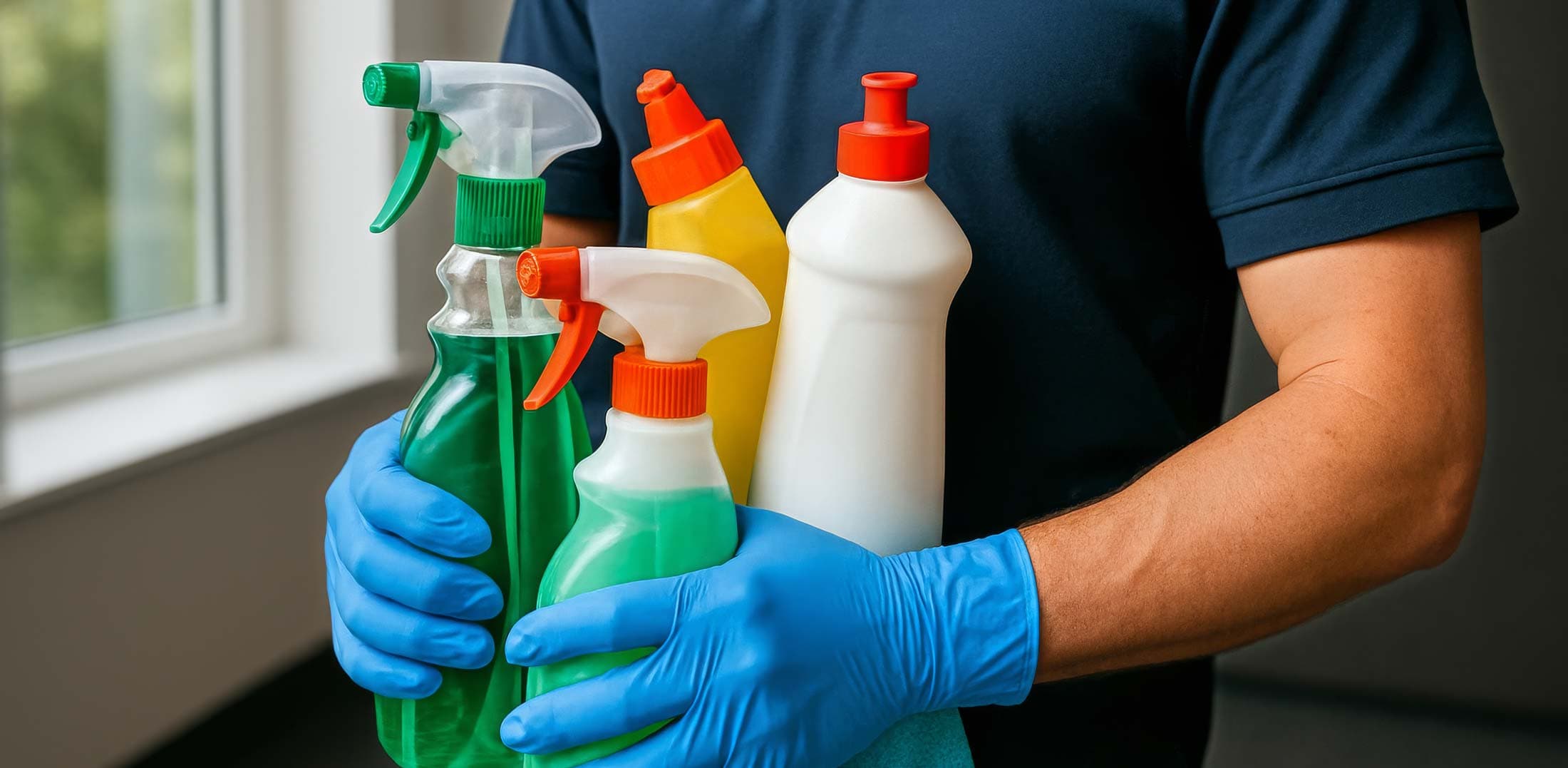
Going green isn't just good for the planet – it's good for business. Here's how to build a profitable eco-friendly cleaning service that attracts premium clients and stands out from the competition.
Here's something interesting: the demand for eco-friendly cleaning services in the UK has grown by over 150% in the past five years. More and more homeowners are actively seeking cleaners who use plant-based, non-toxic products. They're willing to pay premium rates for this service. And here's the best bit: the market is still undersupplied.
Most cleaning businesses stick with conventional products because "that's how it's always been done." They're missing a massive opportunity.
Eco-friendly cleaning isn't a niche anymore – it's a rapidly growing market segment with clients who value quality, are willing to pay for their principles, and tend to be loyal long-term customers. These are exactly the clients you want.
But here's the thing: you can't just slap "eco-friendly" on your profile and hope for the best. Clients seeking green cleaning services are informed, careful about greenwashing, and have high standards. To succeed in this market, you need genuine commitment, proper knowledge, and smart business positioning.
This comprehensive guide will show you exactly how to build a profitable eco-friendly cleaning business: which products actually work, how to price your services, how to market effectively, and how to deliver results that justify premium rates whilst protecting your own health and the environment.
Why Eco-Friendly Cleaning is a Brilliant Business Opportunity
Let's start with why this matters financially, because ultimately, you're running a business.
The Growing Market Demand
The numbers are compelling:
- 68% of UK homeowners say they prefer eco-friendly products when available
- 42% actively seek out eco-friendly cleaning services
- 55% of millennial homeowners (the largest client demographic) prioritise environmental values
- Families with children show highest demand (children and environmental concerns correlate strongly)
Client demographics seeking eco-friendly cleaning:
- Families with young children (worried about chemical exposure)
- Households with pets (concerned about toxic products)
- People with allergies or asthma (chemical sensitivities)
- Environmentally conscious professionals
- Health-focused individuals
- Expecting parents (nesting + health concerns)
These aren't budget shoppers looking for the cheapest option. They're clients willing to invest in services aligning with their values.
Premium Pricing Potential
Eco-friendly cleaners can charge 10-20% more than conventional cleaners.
Conventional cleaning rates:
- London: £15-£22/hour
- Major cities: £13-£18/hour
- Other regions: £12-£16/hour
Eco-friendly cleaning rates:
- London: £18-£25/hour
- Major cities: £15-£20/hour
- Other regions: £14-£18/hour
For a cleaner working 25 hours per week, this premium equals:
- £1-£3 extra per hour
- £25-£75 extra per week
- £1,300-£3,900 extra per year
That's substantial additional income for using different products and positioning yourself differently.
Lower Client Churn
Eco-friendly clients tend to be stickier:
- Once they find a cleaner whose values align with theirs, they stay loyal
- These clients aren't constantly shopping for cheaper options
- They value the relationship and trust you've built
- They refer friends with similar values
In conventional cleaning, client turnover might be 30-40% annually. Eco-friendly cleaning often sees 15-20% turnover. That stability is gold for business planning.
Competitive Advantage
In most areas, genuine eco-friendly cleaners are undersupplied. Search Trader Street for "eco-friendly cleaner" in your area. How many genuine green cleaners do you see? Probably fewer than conventional cleaners.
This undersupply means:
- Less competition for this specific market segment
- Easier to build reputation as "the" local eco-friendly cleaner
- Higher chance of being booked when clients search specifically for green cleaning
- Premium pricing is easier to maintain when competition is limited
Your Own Health Benefits
This matters more than you might think.
Professional cleaners spend 30-40 hours weekly exposed to cleaning products. Conventional products contain harsh chemicals: ammonia, bleach, VOCs, synthetic fragrances. Daily exposure causes:
- Respiratory issues (chronic cough, asthma)
- Skin problems (dermatitis, eczema, chemical burns)
- Headaches and dizziness
- Long-term health risks (studies link occupational cleaner exposure to increased cancer and respiratory disease risks)
Switching to eco-friendly products dramatically reduces your exposure. You'll notice:
- Easier breathing during and after work
- Less skin irritation
- Fewer headaches
- Better overall health
This isn't just feel-good fluff. Your health is your business asset. Protecting it makes financial sense.
Understanding Eco-Friendly Cleaning Products
Right, you're convinced about the business opportunity. Now you need to understand the products themselves.
What Makes Products Genuinely Eco-Friendly?
Plant-based ingredients: Derived from renewable resources (coconut, corn, sugar beet) rather than petroleum.
Biodegradable: Breaks down naturally in waterways without harming aquatic life.
Low or zero VOCs: Volatile Organic Compounds pollute indoor air. Eco-friendly products minimise or eliminate these.
No harsh chemicals: Specifically avoiding:
- Chlorine bleach
- Ammonia
- Phosphates
- Optical brighteners
- Synthetic fragrances
- Formaldehyde and formaldehyde-releasing preservatives
- Phthalates
Minimal packaging: Concentrated formulas, recyclable bottles, or refillable systems.
Third-party certification: Look for Ecocert, EU Ecolabel, Leaping Bunny (cruelty-free), Vegan Society approval.
The Best Eco-Friendly Brands for Professional Use
After testing dozens of eco-friendly products professionally, here's what actually works:
Delphis Eco (Professional Grade)
- Best for: Professional cleaners, tough jobs
- Why: Specifically designed for commercial/professional use
- Certifications: EU Ecolabel across entire range
- Range: Comprehensive – bathroom, kitchen, floor, glass, all-purpose
- Effectiveness: Excellent. Most effective eco-brand for tough jobs
- Cost: £5-£12 per bottle (concentrated, lasts longer)
- Where to buy: Online, professional cleaning suppliers
- Professional verdict: Best overall for professional eco-friendly cleaning
Bio-D (UK Company)
- Best for: Sensitive skin clients, allergy sufferers
- Why: Hypoallergenic, minimal ingredients
- Certifications: EU Ecolabel, Vegan Society, Ethical Consumer Best Buy
- Range: Full cleaning range plus laundry
- Effectiveness: Very good. Works well for most tasks
- Cost: £4-£8 per bottle (concentrated)
- Where to buy: Ethical supermarkets, health food shops, online
- Professional verdict: Excellent for clients with health concerns
Ecover (Widely Available)
- Best for: General domestic cleaning, readily accessible
- Why: Available in most supermarkets, familiar to clients
- Certifications: EU Ecolabel
- Range: Comprehensive domestic cleaning range
- Effectiveness: Good. Reliable for regular cleaning
- Cost: £3-£5 per bottle
- Where to buy: Most major supermarkets
- Professional verdict: Solid choice, good value, easily replenished
Method (Design-Conscious)
- Best for: Style-conscious clients, pleasant scents
- Why: Attractive packaging, naturally fragranced
- Certifications: Cradle to Cradle Certified
- Range: Good variety including antibacterial
- Effectiveness: Good for general cleaning
- Cost: £3-£6 per bottle
- Where to buy: Supermarkets, online
- Professional verdict: Works well, clients like the aesthetic
Homethings/Smol (Innovative Delivery)
- Best for: Environmentally conscious clients wanting minimal packaging
- Why: Refillable systems, plastic reduction
- Range: Limited but covers basics
- Effectiveness: Good for regular maintenance
- Cost: £3-£5 per refill
- Where to buy: Subscription/online only
- Professional verdict: Innovative model, appeals to zero-waste clients
Product Recommendations by Task
All-purpose cleaning:
- Delphis Eco Multi-Surface Cleaner (best professional option)
- Method All-Purpose Cleaner (good, widely available)
- Bio-D Multi-Surface Cleaner (excellent for sensitive clients)
Bathroom cleaning:
- Delphis Eco Bathroom Cleaner (tough on limescale)
- Ecover Bathroom Cleaner (good everyday option)
- Bio-D Bathroom Cleaner (hypoallergenic)
Kitchen degreasing:
- Delphis Eco Degreaser (professional strength)
- Bio-D Washing Up Liquid (surprisingly effective as degreaser)
- Ecover Kitchen Cleaner (solid performance)
Floor cleaning:
- Delphis Eco Floor Cleaner (all floor types)
- Method Floor Cleaner (good for regular use)
- Ecover Floor Soap (wooden floors)
Glass and mirrors:
- Method Glass Cleaner (streak-free)
- Delphis Eco Glass Cleaner (professional grade)
- White vinegar + water solution (50/50) (cheapest, effective)
Limescale removal:
- Ecover Limescale Remover (best eco-option)
- Bio-D Descaler (good for regular maintenance)
- White vinegar (for light limescale, must soak)
Oven cleaning:
- Bio-D Oven Cleaner (requires more effort than conventional)
- Bicarbonate of soda paste + elbow grease (DIY method)
- Note: Eco-oven cleaning is genuinely harder. Requires different approach.
Disinfection (when actually needed):
- Method Antibacterial Spray (toilets, post-raw-meat)
- Dettol Eco-Range (if clients specifically want Dettol brand)
- Important: Most cleaning doesn't require disinfection
What About DIY Solutions?
Vinegar, bicarbonate of soda, lemon juice – do they work professionally?
Short answer: Yes, for some tasks. Not comprehensively.
What works:
- White vinegar for glass cleaning (50/50 with water)
- White vinegar for light limescale (requires soaking)
- Bicarbonate of soda as gentle abrasive
- Lemon juice for freshening, very light cleaning
What doesn't work:
- Heavy grease (needs proper degreaser)
- Serious limescale (vinegar helps but rarely fully removes it)
- Large properties (too time-consuming)
- Professional standards clients expect
Professional verdict: Use DIY solutions where appropriate (glass, light maintenance) but rely on proper eco-products for comprehensive professional cleaning.
Transitioning to Eco-Friendly Products
You're convinced. How do you actually make the switch?
The Gradual Transition Approach
Phase 1: Start with basics (Month 1)
- Buy all-purpose cleaner (Delphis Eco or Bio-D)
- Buy bathroom cleaner
- Buy floor cleaner
- Buy glass cleaner
- Investment: £25-£40
Use these for new clients you're marketing as eco-friendly. Continue conventional products for existing clients.
Phase 2: Build your eco-kit (Month 2-3)
- Add kitchen degreaser
- Add limescale remover
- Add any specialist products you regularly need
- Additional investment: £20-£30
Phase 3: Full transition (Month 4+)
- Replace all conventional products as they run out
- Offer existing clients the option to switch to eco-products
- Update all marketing to emphasise eco-friendly services
Total investment: £50-£80 to fully transition
This spreads the cost and lets you learn which eco-products work best before committing fully.
The Bold Transition Approach
Complete switch immediately:
- Buy full range of eco-products (£50-£80)
- Switch all clients to eco-products (with notice)
- Update all marketing materials simultaneously
- Position yourself as exclusively eco-friendly
Advantages:
- Clear brand positioning
- No confusion about what you offer
- Attracts eco-conscious clients immediately
Risks:
- Higher upfront investment
- Some clients might not want the change
- Learning curve for new products with all clients at once
Most cleaners find gradual transition works better psychologically and financially.
Mastering Eco-Product Techniques
Eco-friendly products often require different techniques than conventional products. Here's what you need to know:
Limescale requires patience:
- Apply eco-descaler, leave for 10-20 minutes, then scrub
- Heavy limescale might need repeat applications
- For serious buildup, apply before starting clean elsewhere, return later
- Vinegar works for light limescale if soaked 30+ minutes
Ovens require elbow grease:
- Eco-oven cleaners need longer soaking (overnight for heavy soiling)
- More physical scrubbing than caustic conventional cleaners
- May need two applications for very dirty ovens
- Use bicarbonate paste + scrubbing for stubborn areas
Grease needs proper products:
- Don't skimp on degreaser for kitchens
- Delphis Eco Degreaser is genuinely effective
- Hot water + proper degreaser + scrubbing = excellent results
- Concentrate on technique, not product strength
Glass needs the right approach:
- Use squeegee technique (like professional window cleaners)
- Spray, wipe, squeegee, buff edges
- Method Glass Cleaner or vinegar solution both work excellently
- Technique matters more than product
Floors love eco-products:
- Eco-floor cleaners work just as well as conventional
- Many actually leave less residue
- Follow dilution ratios (concentrated products go further than you think)
Pricing Your Eco-Friendly Services
This is where many eco-friendly cleaners undersell themselves. Don't make this mistake.
Setting Your Rates
Research conventional rates in your area thoroughly. Check 10-15 conventional cleaner profiles on Trader Street. Note the average.
Position yourself 10-20% higher.
Example:
- Conventional average in your area: £15/hour
- Your eco-friendly rate: £16.50-£18/hour
Why this premium is justified:
Higher product costs: Eco-friendly products cost 20-40% more than conventional. Pass some of this cost to clients.
Specialised knowledge: You've invested time learning eco-products and techniques. Expertise commands premium.
Market positioning: Eco-friendly is a premium service attracting clients willing to pay for values alignment.
Health benefits: Clients are paying for healthier homes. That's valuable.
Environmental value: Clients are paying for reduced environmental impact. Price should reflect this added value.
Don't Undercharge
Common mistake: Pricing eco-friendly services the same as conventional.
Why this is wrong:
- Suggests eco-friendly isn't more valuable
- Reduces your profit margins (products cost more)
- Attracts wrong clients (those only caring about price)
- Undervalues your expertise and commitment
Confident pricing attracts better clients. People seeking eco-friendly cleaning understand it might cost slightly more. They're fine with this if they understand the value.
Explaining Your Premium
When clients query rates:
"My rates reflect several factors: I use professional-grade eco-friendly products that cost more than conventional cleaners but are safer for your family and the environment. I've invested in specialised training for eco-cleaning techniques. My services attract clients who value health-conscious, environmentally responsible cleaning and are willing to pay fairly for genuine expertise and premium products."
This positions you as professional and confident, not defensive.
Package Pricing Options
Standard eco-cleaning package:
- Regular domestic clean with all eco-products
- Price: Your standard hourly rate × hours needed
Premium eco-package:
- All eco-products
- Additional services (inside fridge, interior windows)
- Specialty products for specific surfaces
- Price: 20-30% more than standard
Ultra-green package:
- Completely fragrance-free for allergies
- Plastic-free supplies
- Zero-waste approach
- Price: 30-40% more than standard
Packages create value perception and allow clients to choose their commitment level.
Marketing Your Eco-Friendly Business
You've got the products, the techniques, and the pricing. Now you need clients.
Optimising Your Trader Street Profile
Your profile is your shop window. Make it clearly eco-focused:
Profile headline examples:
- "Professional Eco-Friendly Cleaning | Plant-Based, Non-Toxic Products"
- "Green Cleaning Services | Safe for Families, Pets, and the Planet"
- "Eco-Conscious Cleaning | Chemical-Free Homes, Exceptional Results"
Service description must be explicit:
"I specialise in professional eco-friendly cleaning using exclusively plant-based, biodegradable products certified by Ecocert and EU Ecolabel. My services are perfect for families with young children, homes with pets, and anyone with allergies or asthma.
Products I use:
- Delphis Eco (professional-grade, Ecolabel certified)
- Bio-D (hypoallergenic, UK-made)
- Ecover (plant-based, biodegradable)
What makes my service different:
- Zero harsh chemicals (no bleach, ammonia, synthetic fragrances)
- Reusable microfibre cloths (no disposable wipes)
- Concentrated products (minimal packaging waste)
- Safe for children and pets
- Improves indoor air quality
- Reduces environmental impact
Ideal for:
- Families with babies and young children
- Households with pets (especially cats)
- People with allergies or asthma
- Environmentally conscious homeowners
- Anyone seeking healthier, chemical-free cleaning"
This level of detail:
- Shows genuine commitment (not just greenwashing)
- Uses keywords clients search for
- Explains benefits clearly
- Builds trust through specifics
Include photos:
- Your eco-products (show the bottles)
- Your reusable cleaning supplies
- Before/after cleaning shots
- Yourself (people hire people)
Never stock photos. Real photos of your actual products build trust.
Keywords and SEO
Optimise for searches like:
- "eco-friendly cleaner [your area]"
- "green cleaning services [your area]"
- "non-toxic cleaning [your area]"
- "chemical-free cleaner [your area]"
- "allergy-friendly cleaning [your area]"
- "pet-safe cleaning [your area]"
Include these naturally in your profile description.
Social Media Marketing
Facebook is powerful for eco-friendly cleaning:
Create a business page showcasing:
- Product information
- Before/after cleaning photos
- Educational content about eco-cleaning
- Client testimonials
- Tips for eco-friendly home maintenance
Join local community groups and participate helpfully:
- Answer questions about cleaning (establish expertise)
- Share eco-cleaning tips when relevant
- Offer services when people ask for cleaner recommendations
- Never be spammy – be helpful first, salesperson second
Instagram works for visual storytelling:
- Product photos
- Cleaning transformations
- Behind-the-scenes of your work
- Educational carousel posts about eco-cleaning
Not essential, but helpful for building brand and reaching eco-conscious demographics.
Target Marketing
Identify where eco-conscious clients are: