
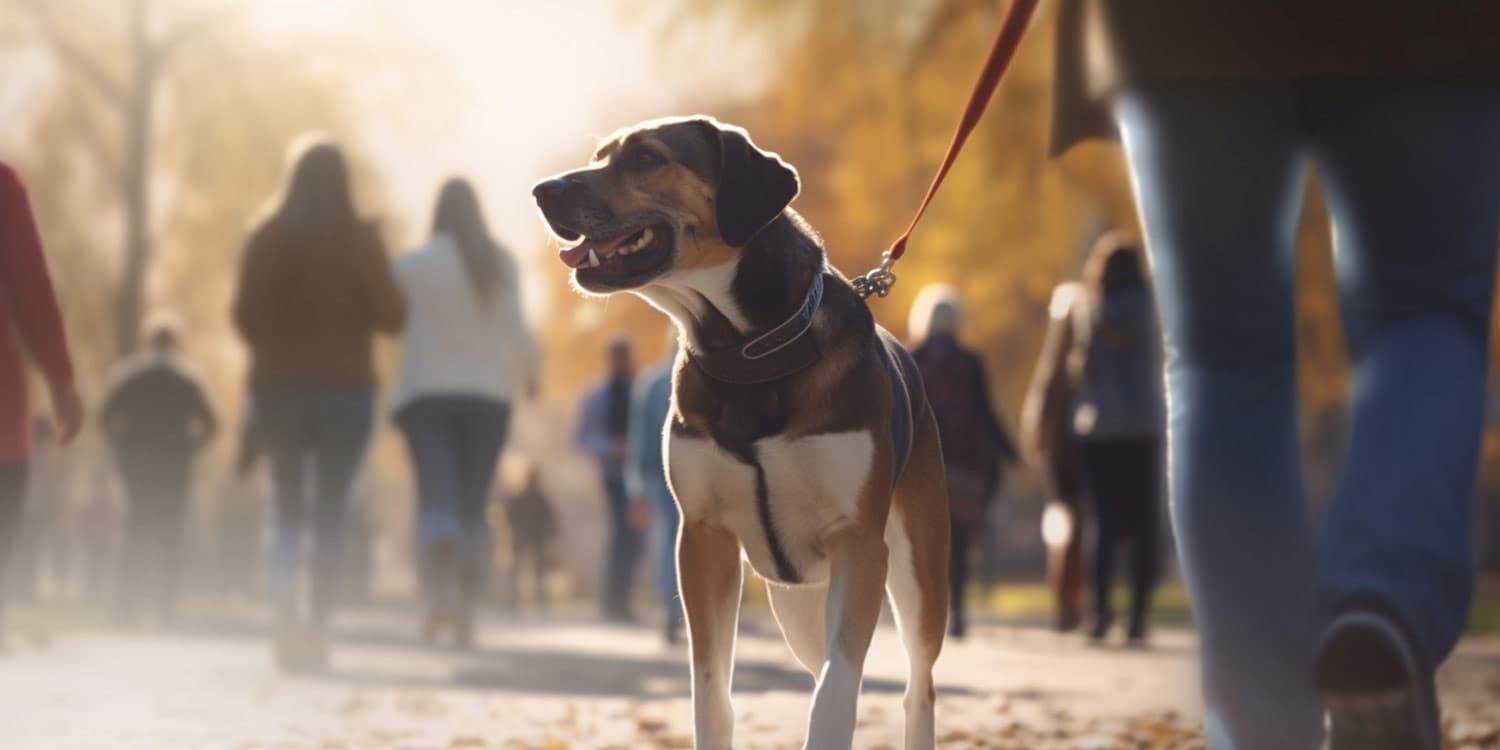
Your dog deserves better than a rushed morning toilet break and an evening sprint around the block. Yet for millions of UK dog owners juggling work commitments, family responsibilities, and modern life's demands, providing adequate daily exercise feels like an impossible task.
Enter the professional dog walker—a solution that promises fresh air, socialisation, and proper exercise for your four-legged friend. But with prices ranging from £5 to £25 per walk and horror stories of lost dogs, unprofessional conduct, and even criminal behaviour making headlines, choosing the right walker requires careful consideration.
This comprehensive guide cuts through the confusion, providing everything you need to know about hiring a dog walker in 2025: from understanding legal requirements and insurance necessities to spotting red flags and negotiating fair prices. Whether you're a first-time dog owner or simply seeking better care for your canine companion, this guide ensures you make an informed decision that keeps your dog safe, happy, and properly exercised.
Understanding the UK Dog Walking Landscape in 2025
The Regulatory Patchwork
Unlike many professions, dog walking in the UK operates under a complex patchwork of regulations that vary dramatically by location. While there's no specific national licence required to walk dogs in the UK, individual councils may have their own licensing or registration processes.
Current Licensing Requirements by Region:
Several councils have established specific licensing systems, including Bromley (requiring £1 million public liability insurance), Edinburgh (voluntary registration with code of conduct), Lambeth and Wandsworth (requiring £2 million insurance and adherence to terms), with fees varying based on the number of dogs walked.
Major Changes in 2025:
- Professional dog walkers in certain areas will need a licence starting April 2025, with annual fees of £365
- The Royal Parks charity requires commercial dog walkers to obtain a licence for parks like Hyde Park and Regent's Park, with annual fees of £300 (excluding VAT)
- More councils moving towards mandatory registration schemes
Legal Responsibilities Every Walker Must Meet
Regardless of licensing, all dog walkers must comply with fundamental UK laws:
The Animal Welfare Act 2006: Dog walkers must ensure dogs receive adequate food, water, shelter, and veterinary care, and must be protected from pain, suffering, injury, and disease. Breaking these laws can result in severe penalties including fines and imprisonment.
The Control of Dogs Act 1992: Requires dog walkers to ensure dogs are under control in public spaces, with the ability to recall the dog and prevent it from causing nuisance or harm to others.
Clean Neighbourhoods and Environment Act 2005: Empowers local authorities to issue fixed penalty notices for failure to clean up dog waste, with fines up to £1,000.
Dangerous Dogs Act 1991:
- XL Bully dogs must have a Certificate of Exemption and be on a lead and muzzled at all times in public
- Walkers must understand breed restrictions and handling requirements
- Even a dog chasing, barking at or jumping up at a person could lead to complaints of being 'dangerously out of control'
Understanding Dog Walking Costs: The Real Numbers
National Pricing Overview
The national average for dog walking generally ranges from £10 to £15 per hour, though prices can vary significantly based on several factors. Here's the detailed breakdown:
Standard Walk Pricing (2025):
- 15-30 minute walk: £5-£10
- 30-minute walk: £10-£15
- 60-minute walk: £15-£25
- Puppies typically need only 15-minute walks, while large breeds may require the full 60 minutes
Regional Variations:
- London: Average £13.45 per walk (highest nationally, up to £25)
- South East: Similar to London pricing, areas closer to the capital being higher
- Sheffield and Belfast: Average £10.26-£10.44 (lowest nationally, minimum £6-£8)
- Northern England and Scotland: Generally lowest pricing due to lower average wages
Factors Affecting Pricing
Experience and Qualifications: Experienced walkers with certifications like animal first aid or behaviour training typically charge more. DBS-checked and insured walkers command premium rates but offer better reliability.
Time and Day Premiums:
- Evening walks (after 5pm): 5-10% surcharge
- Weekend walks: 5-10% additional
- Bank holidays: Typically 10% extra
- Peak holiday periods: Increased demand leads to higher rates
Multiple Dog Discounts:
- Second dog from same household: 40-50% of full price (£4.80-£6 if first dog is £12)
- Group walks: £8-£12 per dog (more economical than solo walks)
- Group walks of four dogs at £10 each can earn walkers £40 per hour
Additional Services:
- Feeding: £2-£5 extra
- Medication administration: £3-£5 extra
- Puppy visits: Often priced differently due to extra attention needed
- Pick-up/drop-off from different location: £5-£10 surcharge
Solo vs. Group Walks: Making the Right Choice
Solo Walks (£15-£25 per hour):
- One-on-one attention
- Ideal for nervous or reactive dogs
- No risk of pack dynamics issues
- More expensive but personalised
- Better for dogs with special needs
Group Walks (£8-£12 per dog):
- Socialisation opportunities
- More affordable option
- Professional walkers typically walk 6 dogs maximum, though best practice recommends no more than 4
- Risk of conflicts between dogs
- Less individual attention
Essential Questions to Ask Every Dog Walker
Experience and Qualifications
Must-Ask Questions:
- "How long have you been walking dogs professionally?"
- Look for minimum 1-2 years experience
- Ask about specific breed experience
- Inquire about challenging situations they've handled
- "What training or certifications do you have?"
- Pet First Aid certification (highly desirable)
- Canine behaviour qualifications
- Professional association memberships (NarpsUK, PDWA)
- Animal care NVQs or diplomas
- "Can you provide three recent references?"
- Contact at least two references
- Ask about reliability, communication, and dog's behaviour after walks
- Verify how long they've used the walker
- "Do you have a DBS check?"
- While not legally required, many walkers obtain basic DBS checks to demonstrate trustworthiness
- Essential if they'll have house key access
- Should be dated within last three years
Insurance and Legal Compliance
Critical Insurance Questions:
- "What insurance coverage do you have?"
- Public liability insurance is essential (minimum £1-2 million coverage)
- Care, custody and control cover for animals
- Key holder cover if they'll have house access
- Vehicle insurance for pet transportation
- "Are you licensed with the local council?"
- Verify compliance with local requirements
- Ask for licence number if applicable
- Check they understand area-specific regulations
- "How many dogs do you walk at once?"
- Leeds allows professionals to walk up to 6 dogs, but only if not walking alongside others
- NarpsUK members agree to walk maximum 4 dogs at a time
- Ensure they follow local PSPO restrictions
Practical Operational Questions
- "What's your emergency protocol?"
- Veterinary emergency procedures
- Lost dog protocol
- Injury or illness response
- Emergency contact hierarchy
- "How do you handle aggressive or reactive dogs?"
- Dogs showing fearful, anxious or aggressive behaviour should be walked independently with appropriate lead length
- Muzzle policy and fitting expertise
- Route planning to avoid triggers
- "What happens if you're sick or unavailable?"
- Backup walker arrangements
- Notice period for cancellations
- Holiday coverage options
- Communication protocols
Service Specifics
- "Where do you walk dogs?"
- Specific routes and locations
- Variety of environments
- Traffic exposure levels
- Off-lead areas (if applicable)
- "What's included in your quoted price?"
- Pick-up and drop-off
- Towel drying after wet walks
- Water and treat provision
- Poo bag supply
- Walk reports/updates
- "How do you communicate with clients?"
- Daily updates (photos, videos)
- GPS tracking availability
- Preferred communication method
- Response time expectations
Red Flags: When to Walk Away
Immediate Deal-Breakers
No Insurance or Unwilling to Provide Proof: Any professional refusing to show insurance documentation should be eliminated immediately. Businesses providing services must have public liability insurance.
Refusing Meet-and-Greet: Professional walkers always offer initial meetings. Anyone wanting to start immediately without meeting you and your dog is suspect.
Cash-Only Payment: While cash isn't inherently problematic, refusing any traceable payment method suggests tax evasion or unprofessionalism.
Vague About Experience: Inability to provide specific examples, references, or details about their dog walking history indicates inexperience or dishonesty.
Concerning Behaviours
Walking Too Many Dogs:
- Anyone walking more than 6 dogs simultaneously
- Groups walking together lose professional privileges and face stricter limits
- Mixing dogs from multiple households without proper assessment
Poor Understanding of Law:
- Unaware of local licensing requirements
- Doesn't know about breed-specific legislation
- Casual about picking up waste
- Ignorant of requirements like dogs wearing collars with ID tags in public
Unprofessional Communication:
- Slow response times
- Spelling/grammar suggesting lack of attention to detail
- Overly casual about safety procedures
- No written terms and conditions
Pricing Red Flags:
- Significantly below market rate (under £8 per hour)
- No clear pricing structure
- Hidden fees revealed after booking
- Demanding payment weeks in advance
Safety Concerns
Transportation Issues:
- Not following welfare regulations for animal transport
- No proper vehicle restraints or cages
- Overcrowding in vehicles
- Leaving dogs unattended in cars
Lack of Emergency Preparedness:
- No first aid knowledge
- Can't name nearest emergency vet
- No clear lost dog protocol
- Unfamiliar with your dog's medical needs
Finding Qualified Dog Walkers
Professional Platforms and Apps
Established Services:
- Rover - International platform
- Background checks available
- Built-in insurance
- GPS tracking on walks
- Higher prices due to platform fees
- Tailster - UK-focused
- 70% earnings to walker (30% platform fee)
- Insurance included
- Specialises in dog services
- Verified walker profiles
- BorrowMyDoggy - Alternative model
- Connects owners with dog lovers
- Often free or low-cost
- Good for regular arrangements
- Less professional but community-driven
Local Search Methods
Veterinary Recommendations: Your vet practice often knows reliable local walkers and can provide trusted referrals based on other clients' experiences.
Social Media:
- Facebook local pet groups
- Nextdoor neighbourhood app
- Instagram #[YourArea]DogWalker
- Local community forums
Traditional Methods:
- Pet shop notice boards
- Park word-of-mouth
- Dog training class recommendations
- Parish newsletters
Professional Associations
National Association of Registered Pet Sitters (NarpsUK):
- Members sign terms and conditions, maintain insurance, get criminal record checks, and agree to walk maximum 4 dogs
- Provides verification and standards
- Complaint resolution process
Professional Dog Walkers Association (PDWA):
- Industry standards and best practices
- Member directory
- Training resources
- Code of conduct
The Vetting Process: Step-by-Step
Stage 1: Initial Screening (Day 1-2)
Phone/Message Contact:
- Confirm availability and basic pricing
- Ask about insurance and licensing
- Gauge communication style
- Request references
Red Flag Check:
- Eliminate anyone without insurance
- Remove those refusing meet-and-greets
- Exclude anyone walking more than 6 dogs
Stage 2: Document Verification (Day 3-4)
Request and Review:
- Insurance certificate (check expiry dates)
- DBS certificate (if available)
- Council licence (where required)
- Qualifications/training certificates
- Written terms and conditions
Reference Checks: