
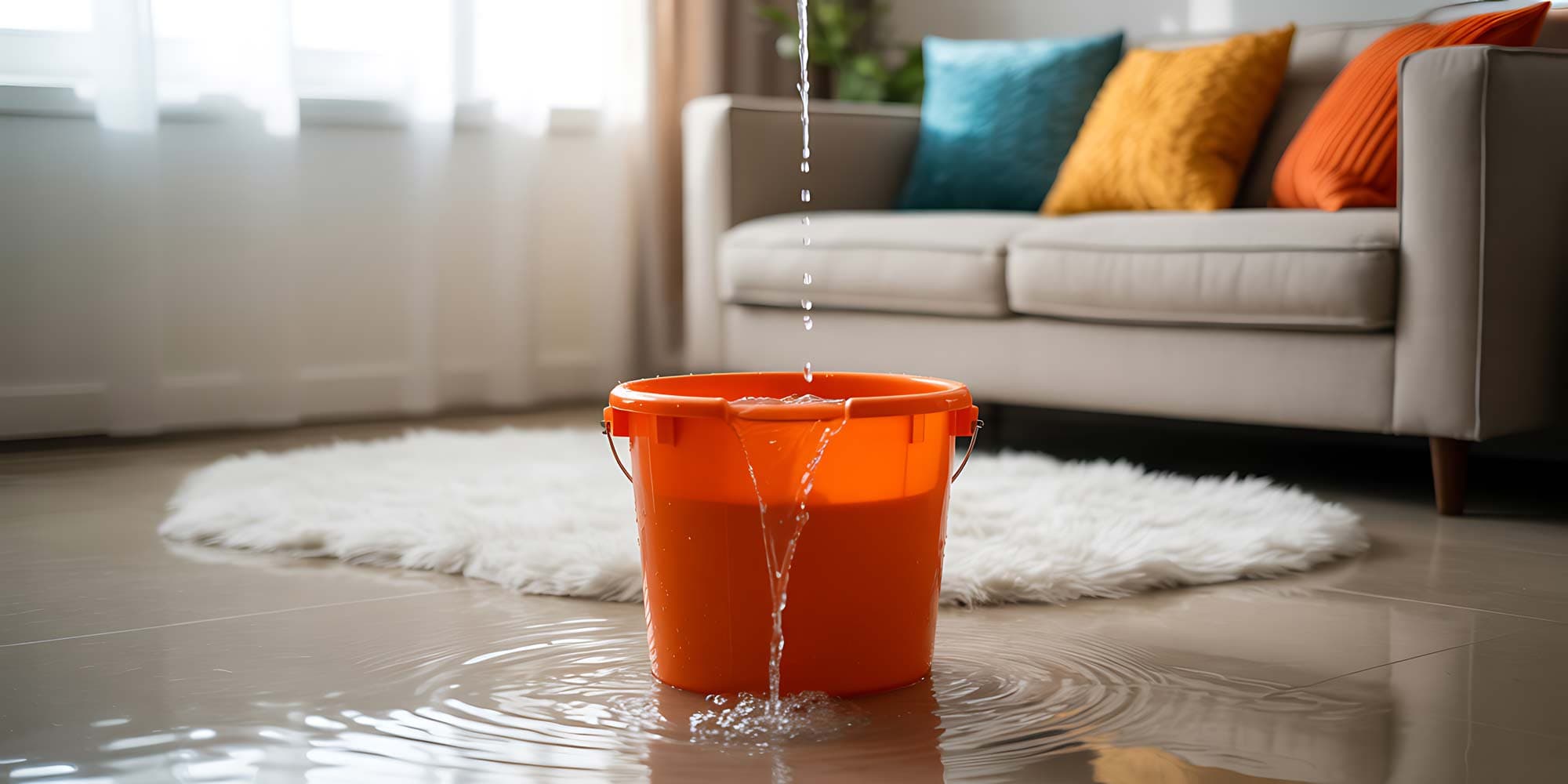
That dream house might be hiding some expensive plumbing surprises. Here's how to spot the problems before you sign on the dotted line.
You've found it. The perfect house. The kitchen's gorgeous, the garden's lovely, and you can already picture yourself living there. You've had the survey done, and apart from a few minor points about the roof tiles, everything looks fine. Time to crack on with the purchase, right?
Well, hold on a minute. Here's something most first-time buyers (and plenty of experienced ones too) don't realise: standard property surveys barely scratch the surface when it comes to plumbing. Your surveyor might spot a dripping tap or notice the boiler looks old, but the serious plumbing issues – the ones that could cost you £5,000, £10,000, or even more to fix – often hide completely out of sight.
We're talking about things like ancient lead pipes, knackered drainage systems, dodgy DIY plumbing behind walls, and decades-old boilers running on borrowed time. These problems don't always announce themselves during a quick viewing or even during a Level 2 survey. But six months after moving in? That's when they tend to make their expensive debut.
This guide will walk you through the hidden plumbing problems that surveyors commonly miss, how to spot them yourself, what questions to ask sellers, and when it's worth getting a specialist plumbing survey before you commit to buying. Because trust us, a few hundred quid spent on proper investigation now beats a £15,000 surprise later.
Why Standard Surveys Miss Plumbing Problems
Let's start by understanding why your bog-standard property survey often fails to catch plumbing issues.
What Surveyors Actually Check
When you pay for a Level 2 Survey (the most common type, formerly called a HomeBuyer Report), the surveyor is doing a visual inspection. They're looking at what they can see without lifting floorboards, moving furniture, or taking anything apart.
For plumbing, this typically means:
- Checking taps work and don't leak visibly
- Looking at the boiler's age and general condition (from outside)
- Noting if there's a hot water cylinder and what type
- Glancing at visible pipework
- Checking water pressure seems okay
- Looking for obvious damp or water damage
What they're NOT doing:
- Lifting carpets or floorboards to check pipes underneath
- Testing drainage systems thoroughly
- Running water long enough to spot slow leaks
- Checking the condition of pipework behind walls
- Testing the boiler properly (that requires a Gas Safe engineer)
- Examining the soil stack or underground drainage
- Testing water quality
- Checking for cross-contamination risks
Surveyors are generalists. They're brilliant at spotting structural problems, dampness, and obvious maintenance issues. But they're not plumbers. They can't diagnose plumbing problems that aren't immediately visible, and they're not insured to test systems thoroughly.
The Limitations That Catch Buyers Out
Furniture and belongings: If the current owners are still living there (most common scenario), loads of the plumbing is hidden behind furniture, in cupboards, or under rugs. Your surveyor can't move their stuff around.
Access restrictions: They won't go into the loft if it's difficult to access. They won't climb on the roof. They won't go into locked sheds or outbuildings. All places where plumbing issues might be visible.
Non-intrusive inspection: They won't remove bath panels, lift vinyl flooring, or open up any pipework. It's a visual survey only.
Time constraints: A typical Level 2 survey takes 2-4 hours. That's not long to thoroughly inspect an entire property. Plumbing usually gets 15-20 minutes of attention at most.
Weather and timing: If it hasn't rained recently, drainage problems won't be obvious. If it's summer, heating issues won't show up.
The point is: surveyors do a great job of what they're meant to do, but plumbing problems often need specialist investigation.
The Most Common Hidden Plumbing Problems
Right, let's get into the specifics. Here are the plumbing nightmares that buyers discover after moving in.
Lead Pipes: The Victorian Hangover
This is the big one. Loads of UK properties, particularly those built before 1970, still have lead water supply pipes. Lead pipework is an absolute liability, and replacing it can cost thousands.
Why lead pipes are a problem:
- Lead leaches into your drinking water (health hazard, particularly for children)
- Water suppliers are replacing their lead pipes, which means homeowners must replace theirs too
- Many mortgage lenders won't lend on properties with lead pipes
- Buildings insurance can be difficult to get
- They're illegal for new installations (but existing ones remain until replaced)
Where to look:
- External supply pipe entering the property (usually near the kitchen)
- Under the kitchen sink where the stopcock is
- In the basement or cellar
- Lead pipes are dull grey, soft (you can scratch them with a coin), and have bulbous joints
Signs of lead pipes:
- Dull grey pipe entering the property
- Very old stopcock that looks original
- Property built pre-1970
- No evidence of replumbing in kitchen area
Cost to replace: £1,500-£4,000 depending on distance from boundary and access.
If you spot lead pipes during viewings, that's a massive negotiating point. Either get the sellers to replace them before completion, or negotiate a reduction to cover the cost.
Outdated Drainage Systems
Victorian and Edwardian properties often have drainage systems that are, quite frankly, knackered. But you won't know it until you've moved in and the toilet backs up.
Common drainage problems in older properties:
Shared drains: Older terraced properties often share drains with neighbours. When one property's drain blocks, it affects everyone. You might be responsible for maintaining drainage that runs under your neighbour's garden. Nightmare.
Clay pipes: Properties built before 1960s typically have clay drainage pipes. They crack, get invaded by tree roots, collapse over time, and are expensive to replace.
Wrong fall/gradient: Original Victorian drains were sometimes installed with inadequate gradient (fall). Modern standards require specific gradients for proper drainage. Poor fall means slow drainage and frequent blockages.
Poor connections: Decades of additions and modifications mean drainage connections are often bodged. Different diameter pipes connected badly, leading to blockages.
Signs of drainage problems:
- Slow-draining sinks and toilets
- Gurgling sounds when water drains
- Bad smells from drains
- Damp patches in the garden near drain runs
- Drains need regular rodding (ask if the sellers have had drainage issues)
- Multiple properties sharing one manhole
- Evidence of past flooding or sewage backup
What to check:
- Lift manhole covers (if accessible) and look inside
- Run taps and flush toilets whilst watching drains – water should clear quickly
- Check for evidence of past drainage work (freshly dug garden areas, new drain covers)
- Ask directly: "Have you had any drainage problems?"
Cost to fix: £1,000-£10,000+ depending on extent of damage and whether you need excavation.
Ancient or Failing Boilers
The survey will note if the boiler is old, but it won't tell you if it's about to die. Sellers often limp along with a dying boiler until completion, leaving you with a dead boiler and a massive bill.
Red flags with boilers:
Age:
- 15+ years old: Living on borrowed time
- 20+ years old: Could fail at any moment
- 25+ years old: Replacement parts often unavailable
Old boiler types:
- Back boilers (behind a gas fire): Banned from installation since 2005, expensive to remove
- Floor-standing boilers in airing cupboards: Inefficient, huge, parts increasingly unavailable
- Gravity-fed systems with header tanks: Outdated technology
Signs of problems:
- Rust on the boiler casing
- Water marks or staining around the boiler
- Unusual noises (kettling, banging)
- Yellow or orange flame (should be blue)
- Pilot light keeps going out
- Boiler short-cycling (turning on and off frequently)
What to ask sellers:
- "How old is the boiler?" (don't accept "not sure" – they'll have the manual)
- "When was it last serviced?" (should be annual)
- "Can I see the service records?" (should have paperwork)
- "Have you had any problems with it?" (often they'll admit to ongoing issues)
- "Is the boiler under any warranty?" (useful if recent)
What to do: Request that a Gas Safe heating engineer inspects the boiler before completion. Costs £80-£150, but could reveal a £3,000 boiler replacement hiding around the corner.
New boiler cost: £1,800-£3,500 installed.
Low Water Pressure
You turn on the shower during your second viewing. It seems fine. Then you move in, everyone's showering, washing up, and using water simultaneously, and suddenly your shower has the pressure of someone spitting at you from across the room.
Causes of low water pressure:
Undersized pipework: Older properties often have 15mm supply pipes when modern standards call for 22mm or 25mm. This restricts flow.
Corroded pipes: Internal corrosion in old copper or galvanised steel pipes reduces the internal diameter, strangling water flow.
Inadequate mains supply: Sometimes the property's mains supply from the street is simply inadequate. This is common in rural areas or older developments.
Shared supply: Some properties share a supply pipe with neighbours. When they use water, your pressure drops.
Faulty pressure reducing valve: If one's fitted, it might be set too low or be faulty.
Signs to watch for:
- Weak shower flow
- Taps take ages to fill bath/sink
- Washing machine fills slowly
- Toilet cistern takes ages to refill
- Combi boiler struggles to heat water adequately
What to test:
- Turn on multiple taps simultaneously and see what happens
- Run the shower whilst someone flushes the toilet
- Ask the sellers directly about water pressure
- Check if they have a shower pump (suggests inadequate pressure)
Fixes and costs:
- Pressure pump installation: £400-£1,200
- Replumbing with larger pipes: £2,000-£6,000
- Upgrading mains supply: £1,500-£4,000 (includes water company work)
DIY Plumbing Disasters
Oh, the horrors we've seen. Previous owners who fancied themselves as plumbers have created some truly spectacular disasters, all hidden behind walls and under floors.
Common DIY plumbing bodges:
Incompatible materials mixed: Copper pipes connected directly to galvanised steel (causes rapid corrosion). Plastic pipes connected poorly to copper. Different pipe types joined with inappropriate fittings.
Wrong pipe sizing: 15mm pipes where 22mm is needed. Waste pipes too small for the appliances. Soil pipes in incorrect diameters.
Inadequate support: Pipes running long distances without proper clips, leading to sagging and eventual joint failure.
Poor quality fittings: Cheap push-fit fittings used inappropriately. Soldered joints that look like they were done by a toddler. Compression fittings over-tightened and leaking.
Illegal work: Gas work by unqualified persons (check for amateurish pipework to the boiler). Unvented cylinder work without G3 qualification.
How to spot DIY plumbing:
- Pipework looks messy or poorly finished
- Multiple different pipe types visible
- Compression fittings everywhere (professionals mainly use soldered joints)
- Pipes poorly clipped or supported
- Water damage near recently plumbed appliances
- Pressure testing wasn't done (ask if it was)
Red flag question: "Did you do any of the plumbing work yourself?"
If yes, probe deeper. There's nothing wrong with competent DIY, but many homeowners vastly overestimate their skills.
Why it matters: DIY disasters might work fine for months or years, then catastrophically fail. Burst pipes, floods, and expensive repairs are common.
Bathroom and Wet Room Problems
Modern bathrooms, particularly wet rooms and walk-in showers, look gorgeous. But if the plumbing and waterproofing wasn't done properly, you're looking at expensive repairs.
Wet room problems:
Inadequate waterproofing (tanking): Wet rooms need proper tanking. If it's missing or poorly done, water penetrates the floor and walls, causing structural damage below.
Incorrect floor gradient: Water should flow easily to the drain. Poor gradient means standing water, which eventually finds weaknesses and leaks through.
Undersized or poorly positioned drains: Linear drains need to be correctly sized and positioned. Get it wrong and you've got slow drainage and flooding.
Signs of problems:
- Water pooling in corners
- Tiles lifting or feeling spongy
- Grout cracking or discolouring
- Damp patches on ceiling below bathroom
- Musty smell in bathroom
- Recent redecoration on ceiling below (covering water damage)
What to check:
- Look at the ceiling below the bathroom (water damage evidence)
- Check if tiles sound hollow when tapped (suggests poor installation)
- Look for cracks in grout or sealant
- Ask when the bathroom was installed and whether tanking certificates exist
- Check if there's any visible water damage in the room below
Wet room replacement cost: £3,000-£8,000 if structural damage has occurred.
Hot Water System Issues
The hot water cylinder hiding in your airing cupboard might be a ticking time bomb.
Unvented cylinder problems:
Modern unvented cylinders (direct mains pressure, no header tank) are brilliant when installed correctly. When they're not, they're dangerous and illegal.
Red flags: