
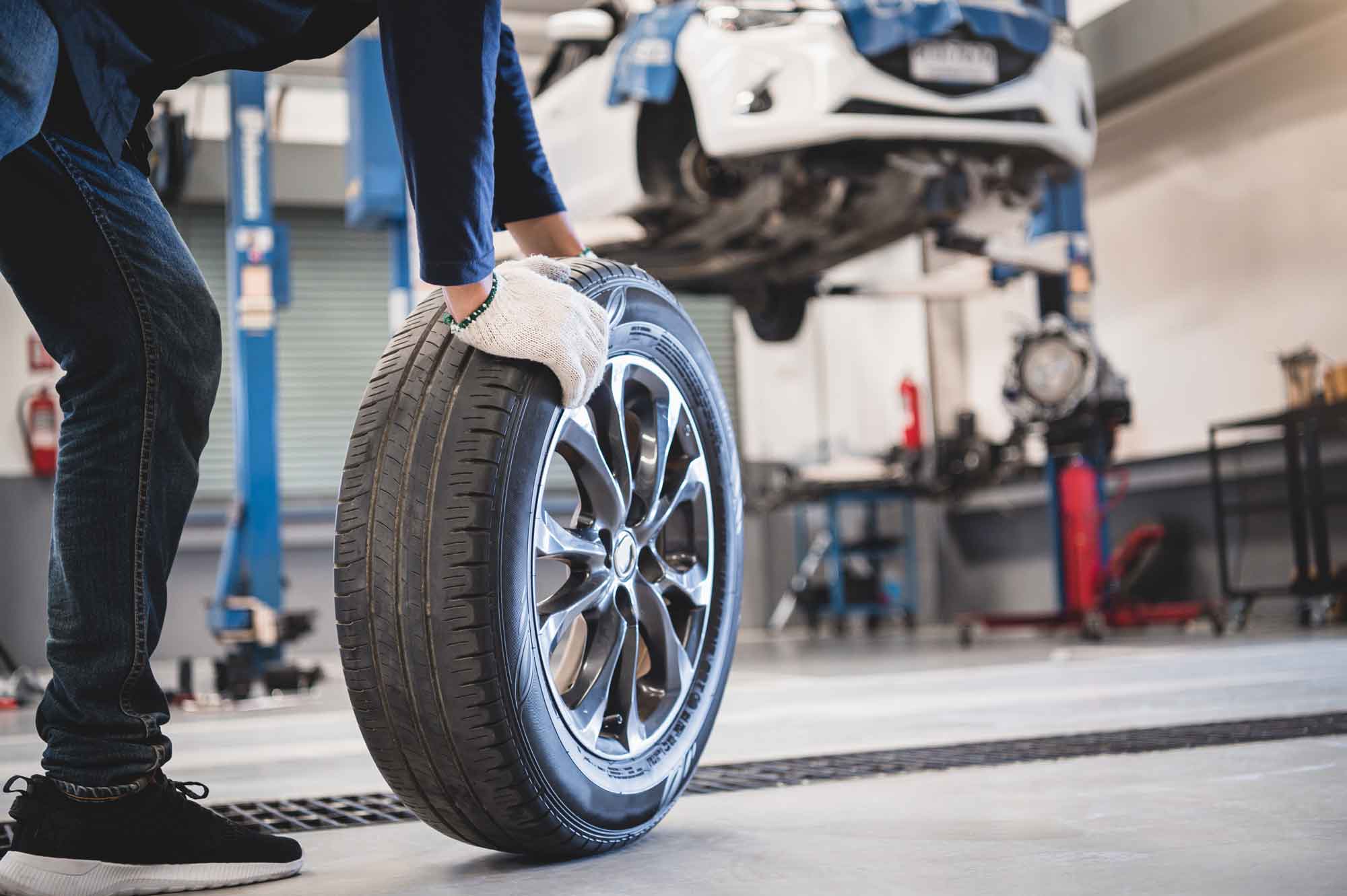
Thinking about going mobile? Here's everything you need to know about starting a mobile mechanic business in the UK – from essential qualifications and equipment through to finding your first clients and actually making money.
You've spent years working in garages. You've seen the owners taking home a tidy profit whilst you're doing all the actual work for £12-£15 an hour. You've watched customers getting charged £60-£80 per hour labour whilst you're getting paid a fraction of that. And you've thought: "I could do this myself."
You're right. You could.
Starting a mobile mechanic business is one of the most accessible ways to go self-employed in the automotive trade. The barriers to entry are relatively low, the demand is solid, and the profit margins – if you do it right – are genuinely decent. But (and it's a big but), it's not as simple as buying a van, chucking your tools in the back, and hoping customers will magically appear.
This guide walks you through everything you actually need to know about starting a mobile mechanic business in the UK in 2025. Not the sanitised, theoretical stuff you'll find on government websites, but the real, practical, "here's what you'll actually face" information from people who've done this successfully.
Ready? Let's get stuck in.
Is Mobile Mechanic Work Right for You?
Before you hand in your notice and order business cards, let's have an honest conversation about whether mobile mechanic work is actually for you.
The Brilliant Bits
You're your own boss – No more garage managers breathing down your neck, no more being told you can't take holiday when you want it, no more pointless team meetings.
You keep the money – Charge £50/hour and you actually get £50/hour (minus expenses). No more watching someone else pocket two-thirds of what customers are paying.
Flexibility – Want to work four days a week? Go for it. Want to take Tuesdays off? Your call. Need to leave early for the school run? No problem.
Variety – Different customers, different cars, different problems every day. No more 50 MOTs a week or endless oil changes.
Direct customer relationships – You build genuine relationships with customers who appreciate your work. No middleman taking credit.
Lower overheads – No rent on a garage unit, no business rates, no massive electric bills. Your van is your workshop.
The Challenging Bits
No guaranteed income – Quiet weeks happen. January is always grim. You don't get paid if you're not working.
You're everything – Mechanic, accountant, marketing department, customer service, admin. That's all you now.
Weather-dependent – Working on a driveway in February when it's pissing down and blowing a gale is genuinely miserable.
Equipment limitations – Some jobs you just can't do without a proper workshop. Accepting these limitations is crucial.
Physical demands – You're still doing the physical graft, plus driving between jobs. Your back and knees will feel it.
Customer-facing pressure – You can't hide in the workshop anymore. Every customer interaction is on you, and some customers are... challenging.
Feast or famine – You'll have weeks where you're turning work away and weeks where your phone doesn't ring. Managing cashflow is critical.
The Honest Reality Check
Starting a mobile mechanic business in your 40s or 50s, with a mortgage and family to support, is a different prospect from starting in your 20s living with your parents. Be brutally honest with yourself:
✅ Do you have 3-6 months' living expenses saved? (You'll need this as a buffer)
✅ Can your family cope with variable income? (At least initially)
✅ Are you comfortable with admin and customer service? (If you hate both, this will be hell)
✅ Do you have the self-discipline to work when there's no boss? (Some people need external structure)
✅ Can you physically handle the work? (Be honest about your age, fitness, and injuries)
If you've answered yes to these, brilliant – keep reading. If not, that doesn't mean you can't do this, but you need to either build up your savings, develop those skills, or reconsider timing.
Essential Qualifications and Legal Requirements
Let's start with the non-negotiables. You can't just wake up one day and decide you're a mobile mechanic. Well, technically you can, but you'll struggle to get insurance, customers won't trust you, and you might actually be breaking the law depending on what work you do.
Mechanical Qualifications
Minimum requirement: City & Guilds Level 2 in Light Vehicle Maintenance and Repair (or equivalent like IMI Level 2, NVQ Level 2)
This is your baseline. It proves you understand vehicle systems, can work safely, and have fundamental diagnostic skills. Without this, reputable customers won't hire you, and insurance companies definitely won't cover you.
Recommended: City & Guilds Level 3 or IMI Level 3
Level 3 demonstrates advanced diagnostic skills, complex repair capability, and higher-level expertise. You'll command better rates and customers will trust you more. If you've been working in garages for 5+ years, you should be aiming for Level 3 minimum.
How to get them if you don't have them:
- Part-time college courses (1-2 years, evenings/weekends)
- Apprenticeship (if you're younger or can afford the time)
- Fast-track intensive courses (expensive but quick)
- Recognition of Prior Learning (RPL) – Some awarding bodies will assess your experience and grant qualifications based on portfolio evidence
Cost: £1,000-£4,000 depending on route and level
Gas Safe Registration (If Working on LPG)
If you're touching anything related to LPG (Liquid Petroleum Gas) systems on vehicles, you legally need Gas Safe registration for automotive work. This is separate from domestic Gas Safe registration.
Cost: £200-£500 for the course, then annual registration fees (£150-£300)
Most mobile mechanics don't bother with LPG work because the demand is low and the qualification is hassle. Unless you're planning to specialise in LPG conversions or repairs, skip this.
Electric Vehicle Qualifications (Increasingly Important)
With EVs becoming more common, this is where smart mobile mechanics are investing:
IMI Level 3 Award in Hybrid and Electric Vehicle System Repair and Replacement
This covers high-voltage systems and is becoming essential for anyone serious about future-proofing their business. You can't legally work on high-voltage systems (anything over 60V DC) without it.
Cost: £800-£1,500
Reality: You can service EVs (brakes, suspension, 12V systems, tyres) without this qualification. You just can't touch the high-voltage battery systems or electric motors. For most mobile mechanic work, that's fine – EVs still need brake pads, suspension work, and basic servicing.
Diagnostic Equipment Training
Modern cars are computers on wheels. Generic OBD-II scanners aren't enough anymore. Consider manufacturer-specific diagnostic training:
- Bosch diagnostic courses
- Launch Tech training
- Manufacturer-specific courses (Volkswagen Group, BMW, Mercedes)
Cost: £200-£800 per course
Worth it? Absolutely. Diagnostic work commands premium rates (£60-£90/hour), and customers will pay for someone who can actually figure out what's wrong rather than just throwing parts at problems.
Business Registration
Sole trader: The simplest structure for starting out. Register with HMRC as self-employed (free, online, takes 10 minutes).
Limited company: More complex but offers liability protection and potential tax advantages. Requires Companies House registration (£12-£100) and annual accounts.
Most mobile mechanics start as sole traders and incorporate later if the business grows significantly. Unless you're starting with significant debt or risk, sole trader is fine.
Insurance (Non-Negotiable)
You absolutely must have:
Public Liability Insurance (£1-£5 million coverage)
- Covers damage to customer property while you're working
- Cost: £400-£1,200 annually
- Example: You drop a tool through their windscreen, your insurance covers it
Professional Indemnity Insurance (£1-£2 million coverage)
- Covers mistakes in your work
- Cost: £500-£1,500 annually
- Example: You misdiagnose a fault, customer pays for wrong repair, then has to pay again for correct repair – your insurance covers the first repair cost
Tools Insurance
- Covers theft or damage to your equipment
- Cost: £200-£600 annually for £5,000-£15,000 worth of tools
- Critical: If someone nicks your van with all your tools, you're out of business without this
Van Insurance (Business use specification)
- Must be business use, not just social/commuting
- Class 1 (carrying own tools) or Class 2 (carrying goods for hire)
- Cost: £800-£2,500 annually depending on van, area, and your history
Total insurance cost: Budget £2,000-£5,000 annually. It's expensive, but it's cheaper than being personally liable for a £50,000 mistake.
Other Registrations
Waste Carrier License (if transporting waste oil, batteries, etc.)
- Upper tier: £154 for 3 years if you're regularly transporting waste
- Lower tier: Free registration if only transporting your own waste occasionally
- Most mobile mechanics need lower tier only
Data Protection Registration (if keeping customer records electronically)
- Cost: £40-£60 annually
- Required by law if you're storing customer data on computers or phones
Essential Equipment and Startup Costs
Right, qualifications sorted. Now: what do you actually need to buy, and how much will it cost?
The Van
Your biggest expense and most important decision. Your van is your workshop, your business image, and a significant chunk of your capital investment.
What to buy:
Budget option: Used Ford Transit Connect, Vauxhall Combo, or Renault Kangoo (2010-2015)
- Cost: £3,000-£6,000
- Pros: Cheap to buy, economical to run, parts widely available
- Cons: Potential reliability issues, might not look as professional
- Right for: Starting out with limited capital, testing the waters
Mid-range: Used Ford Transit Custom, Volkswagen Transporter, or Mercedes Vito (2015-2018)
- Cost: £8,000-£15,000
- Pros: More reliable, better image, more space
- Cons: Higher purchase cost and running costs
- Right for: Established mechanics with some capital, serious about growing
Premium: New or nearly-new Mercedes Sprinter or VW Crafter (2020+)
- Cost: £15,000-£30,000+
- Pros: Excellent reliability, professional image, manufacturer warranty
- Cons: Massive upfront cost, higher depreciation
- Right for: Established businesses, fleet work, premium customers
Our recommendation: Start with a decent used Transit Custom or Transporter (2015-2017) for around £10,000-£12,000. Reliable enough that you won't be constantly fixing it, professional enough that customers trust you, and affordable enough that it's not crippling debt.
Van financing options:
- Cash purchase (if you have it)
- Bank loan (typically £10k over 3 years = £300-£350/month)
- Van finance (HP or PCP – £200-£400/month)
- Lease (£250-£450/month, but you never own it)
Van Setup and Racking
A van full of loose tools sliding around is dangerous, unprofessional, and inefficient.
Professional racking system: £500-£2,000
- Shelving units, drawer systems, secure storage
- Brands: Sortimo, Bott, System Edström
Basic DIY setup: £200-£500
- Plywood shelves, tool boxes, tie-down straps
- Fine for starting out if you're handy
Must-haves:
- ✅ Secure storage (theft prevention)
- ✅ Organisation system (finding tools quickly)
- ✅ Fire extinguisher (£30-£50)
- ✅ First aid kit (£20-£40)
- ✅ Warning signs and safety equipment
- ✅ Cleaning supplies and rags
Essential Tools
If you've been a mechanic for years, you probably already own 70% of what you need. If you're starting from scratch, here's what's essential:
Socket and spanner sets (metric and imperial)
- Professional quality: Snap-on, Mac Tools, Facom (£1,000-£3,000)
- Good mid-range: Halfords Professional, Sealey, Draper Expert (£400-£800)
- Budget: Silverline, Clarke (£200-£400, but expect to replace items)
Our recommendation: Buy professional quality for frequently-used sizes (10mm, 13mm, 17mm, 19mm), budget for rarely-used stuff.
Power tools:
- ✅ Cordless impact wrench (£150-£400)
- ✅ Cordless drill/driver (£80-£200)
- ✅ Angle grinder (£60-£150)
- ✅ Batteries and chargers (£100-£200)
Lifting equipment:
- ✅ Trolley jack (2-3 ton, £80-£200)
- ✅ Axle stands (pair, £40-£80)
- ✅ Wheel chocks (£15-£30)
Brake tools:
- ✅ Brake caliper wind-back tool set (£30-£80)
- ✅ Brake bleeding kit (£20-£50)
Diagnostic equipment (critical):
- Budget: Generic OBD-II scanner (£50-£150) – Fine for basic fault code reading
- Mid-range: Autel MaxiCOM, Launch CRP129 (£200-£500) – Good all-rounders
- Professional: Snap-on, Autel MaxiSys (£1,000-£3,000+) – Necessary for serious diagnostic work
Our recommendation: Start with mid-range (Autel MaxiCOM or similar for £300-£400). Upgrade when diagnostic work becomes a significant income source.
Consumables and fluids:
- ✅ Engine oils (variety of grades, 20-30 litres stock)
- ✅ Brake fluid, coolant, screen wash
- ✅ WD-40, penetrating oil, grease
- ✅ Cable ties, jubilee clips, electrical tape
- ✅ Fuses and bulbs (common sizes)
- ✅ Cleaning products, degreaser, hand cleaner
Budget: £200-£400 initial stock
Total tools investment:
- Absolute minimum (if you own nothing): £2,000-£3,000
- Realistic for competent start: £4,000-£7,000
- Professional comprehensive setup: £10,000-£20,000
Financing options: Many tool suppliers offer credit accounts (0% for 6-12 months often). Spread the cost rather than crippling yourself upfront.
Personal Protective Equipment (PPE)
Essential:
- ✅ Mechanics gloves (box of 100, £15-£25)
- ✅ Safety glasses (£5-£15)
- ✅ Steel toe-cap boots (£40-£80)
- ✅ Hi-vis vest/jacket (£10-£25)
- ✅ Knee pads (£20-£40) – Your knees will thank you
Budget: £100-£200
Office and Admin
Laptop/tablet for invoicing, quoting, emails (£300-£800)
- Toughbook or iPad recommended (work environment is harsh)
Phone with good data plan (£30-£60/month)
Accounting software: Xero, QuickBooks, or FreeAgent (£10-£30/month)
Invoicing app: Often built into accounting software
Website: Basic website (£100-£500 setup, £50-£150 annually hosting)
Business cards and flyers: £30-£100
Total: £500-£1,500 initial, then £50-£100 monthly
Marketing Materials
Vehicle signage: £200-£800 (essential for visibility)
Uniform (polo shirts with logo): £60-£150 for 5 shirts
Branded paperwork (invoices, quotes): £50-£100
Complete Startup Cost Breakdown
Here's what you're realistically looking at:
Minimum viable startup (used van, basic tools, no debt):
- Van: £5,000
- Tools: £2,000 (assuming you own some basics)
- Insurance: £2,000 (first year)
- Van setup: £300
- Diagnostic equipment: £200
- Marketing: £200
- Admin/website: £300
- Working capital: £1,000 (fuel, parts stock, first month expenses)
- Total: £11,000
Realistic professional setup (decent van, proper equipment):
- Van: £12,000
- Tools: £5,000
- Insurance: £2,500
- Van setup: £1,500
- Diagnostic equipment: £400
- Marketing: £500
- Admin/website: £500
- Working capital: £2,000
- Total: £24,400
Premium launch (newer van, comprehensive equipment):
- Van: £18,000
- Tools: £8,000
- Insurance: £3,000
- Van setup: £2,000
- Diagnostic equipment: £1,500
- Marketing: £1,000
- Admin/website: £800
- Working capital: £3,000
- Total: £37,300
Reality check: Most successful mobile mechanics start somewhere between minimum and realistic (£15,000-£20,000), then reinvest profits in better equipment over the first 1-2 years.
Financing Your Startup
Unless you have £20k sitting around, you'll need financing:
Personal savings: The dream, no debt, but requires discipline to build up
Bank loan: Business loan (8-15% APR typical), personal loan (4-8% APR), or overdraft facility
Start-up Loan Company: Government-backed loans (6% fixed, up to £25k) – Worth investigating
Credit cards: 0% purchase or money transfer cards for equipment (risky if you can't pay off before interest starts)
Prince's Trust: If you're under 30 and struggling for capital (grants and support available)
Family loan: Potentially interest-free, but mixing business and family can be messy
Phased approach: Start part-time with minimal investment, build the business, invest profits – Slower but lower risk
Pricing Strategy: What to Charge and Why
Right, you've got your van, your tools, and your qualifications. Now comes the big question: what do you actually charge?
This is where most new mobile mechanics either undervalue themselves (and go bust) or overcharge (and get no work). Getting pricing right is absolutely critical.
Understanding Your True Costs
Before you can set prices, you need to know what it actually costs you to operate per hour. Most mechanics dramatically underestimate this.
Direct costs per hour (assuming 25 billable hours per week):
Van costs:
- Fuel: £600-£1,000/month (£120-£200/week)
- Insurance: £800-£2,500/year (£15-£50/week)
- Road tax: £290/year (£6/week)
- Servicing: £400-£800/year (£8-£15/week)
- MOT and repairs: £500-£1,500/year (£10-£30/week)
- Depreciation: £2,000-£5,000/year (£40-£100/week)
- Total van costs: £200-£400/week = £8-£16/hour
Business costs:
- Public liability insurance: £400-£1,200/year (£8-£25/week)
- Professional indemnity: £500-£1,500/year (£10-£30/week)
- Tool insurance: £200-£600/year (£4-£12/week)
- Accountant: £500-£1,500/year (£10-£30/week)
- Phone and data: £30-£60/month (£8-£15/week)
- Website/marketing: £500-£1,500/year (£10-£30/week)
- Tool replacement/upgrade: £1,000-£2,000/year (£20-£40/week)
- Consumables: £100-£200/month (£25-£50/week)
- Total business costs: £95-£232/week = £4-£9/hour
Your wages (what you need to live on):
- National Living Wage (£11.44/hour) = bare minimum
- Target: £30,000-£40,000/year salary = £600-£800/week = £24-£32/hour
- Comfortable: £50,000+/year = £1,000/week = £40/hour
Taxes:
- Income tax: 20% on profits over £12,570, 40% over £50,270
- National Insurance: 9% on profits over £12,570, 2% over £50,270
- Rough guide: Budget 25-35% for taxes
Example calculation (targeting £40k personal income):
- Personal income needed: £40,000/year = £800/week = £32/hour (25 billable hours)
- Direct costs: £12/hour (van) + £6/hour (business) = £18/hour
- Gross needed before tax: £32 + £18 = £50/hour
- Add tax cushion (30%): £50 × 1.3 = £65/hour minimum
This is before parts mark-up, call-out fees, or any profit for business growth.
Standard Market Rates by Region
London and South East: £50-£80/hour
Major cities: £40-£65/hour
Regional towns: £35-£55/hour
Rural areas: £30-£50/hour
Your pricing decision:
- Bottom 20%: You'll get work, but margins will be tight. Only viable if your costs are very low.
- Middle 60%: Competitive pricing, sustainable margins.
- Top 20%: Premium pricing – Only works if you have specialist skills, excellent reputation, or serve premium customers.
For most new mobile mechanics: Start in middle-to-lower range, raise prices as reputation builds.
Call-Out Fees
Charge separately from hourly rate to cover:
- Travel time (often unpaid)
- Fuel costs
- Minimum viable job value
Typical call-out fees:
- Within 10 miles: £45-£65
- 10-20 miles: £60-£85
- 20+ miles: £75-£100 or additional mileage charge
Strategy: Waive call-out for jobs over 2 hours or regular customers.
Parts Pricing
You have three options:
1. Customer supplies parts (£0 mark-up, reduced/no warranty)
- Pros: Customer saves money, you avoid capital tied up in parts
- Cons: No profit on parts, you bear risk if parts are wrong, warranty issues
2. You supply parts with standard mark-up (20-30% typical)
- Pros: Additional profit, you control quality, proper warranty
- Cons: Capital tied up, occasional part returns
3. You supply parts with service mark-up (30-40% typical)
- Pros: Better margins, reflects your expertise in sourcing quality parts
- Cons: Customers might shop around if they know you're marking up heavily
Our recommendation: 20-30% mark-up on parts, with clear explanation that this covers sourcing, warranty, and quality assurance. Most customers understand this.
Package Pricing vs Hourly
Consider offering package prices for common services:
Full service: £150-£250 (all-in price)
Interim service: £100-£150
Pre-MOT inspection: £50-£70
Brake pads (per axle): £120-£180 (labour only)
Pros: Customers know exactly what they're paying upfront
Cons: You bear the risk if jobs take longer
Our recommendation: Package pricing for routine jobs, hourly for diagnostics and unknown-complexity work.
Premium Pricing (When You Can Charge More)
Weekend work: +20-30%
Evening work (after 6pm): +20-25%
Bank holidays: +30-50%
Emergency call-outs: +50-100%
Specialist work:
- Electric vehicle servicing: +15-20%
- Classic car work: +20-40%
- Performance modifications: +30-50%
- Diagnostic expertise: +20-30%
Don't feel guilty about premium pricing for unsocial hours or specialist work. You've earned that expertise, and your Saturday afternoon is worth more than your Tuesday morning.
Getting Your First 20 Customers
You're legal, you're equipped, you've set your prices. Now comes the scary bit: actually getting customers to pay you money.
This is where most new mobile mechanics struggle. You've been used to customers just appearing (via the garage), and now... silence. Your phone isn't ringing. Your fancy new business isn't making money. Panic sets in.
Don't panic. Here's how to get those crucial first 20 customers.
Start With People You Know
Your immediate network:
- Family (service their cars at mate's rates initially)
- Friends (slightly higher than mate's rates)
- Current/former colleagues (professional rates)
- Neighbours (professional rates)
Target: 5-8 customers from your network in first month
Strategy: "I'm starting my mobile mechanic business. I'd really appreciate your support – and honest feedback. Here's my pricing..."
Don't be embarrassed. Everyone understands starting a business. Most people want to support people they know.
Tell EVERYONE
For the first 3-6 months, work on the assumption that you're a walking, talking advert:
- ✅ Mention it to every person you meet
- ✅ Join local Facebook groups and introduce yourself (check group rules first)
- ✅ Business cards everywhere (hand them out like confetti)
- ✅ Van signage prominent (your van is a moving billboard)
- ✅ LinkedIn profile updated (some business fleet work comes from here)
- ✅ Post regularly on social media (even if it feels awkward)
Target: 5-10 customers from general networking in first 2-3 months
Online Presence (Critical)
Google Business Profile (formerly Google My Business)
- Free
- Shows up in local search results
- Appears on Google Maps
- Customers can leave reviews
- Set this up on day one
Facebook Business Page
- Free
- Join local community groups
- Share helpful content (not just "hire me" posts)
- Respond to people asking for mechanic recommendations
Trader Street Profile
- Create comprehensive profile
- Zero commission fees (unlike Checkatrade's £1,200+/year)
- Get in front of people actively looking for mobile mechanics
- Build reviews quickly
- This is a major advantage – You keep 100% of what you charge
Simple website (£100-£300 setup)
- One page with services, pricing guide, contact details, reviews
- Mobile-friendly essential
- Don't overthink this – Simple and clear beats fancy and confusing
Target: 5-10 customers from online presence in first 2-3 months
Local Guerrilla Marketing
Flyers through doors in your target area (within 5-mile radius)
- £30-£50 for 1,000 flyers printed
- Deliver yourself evenings/weekends
- Include introductory offer: "New business – 10% off first service"
Target: 2-5 customers from 1,000 flyers (that's normal conversion)
Business cards in local shops, community centres, libraries
- Ask permission first
- Leave stack of 10-20 cards
- Refresh monthly
Target: 1-3 customers from business card distribution
Local cafes and shops – Become a regular, chat to owners, mention what you do
- Don't be pushy, just be present and helpful
- Small business owners often need van/fleet servicing
Target: 2-5 business contacts over first 6 months
Introductory Offers (Use Carefully)
10% off first service or Free diagnostic with any repair
Pros: Lowers barrier to trying you out
Cons: Attracts price-sensitive customers who might not become regulars
Our recommendation: Use sparingly. You're building a quality business, not competing on price alone.
The "Loss Leader" Strategy
Offer exceptionally cheap oil changes (£40-£50, barely profitable) to get cars in front of you.
Why?: During oil changes, you can spot: