
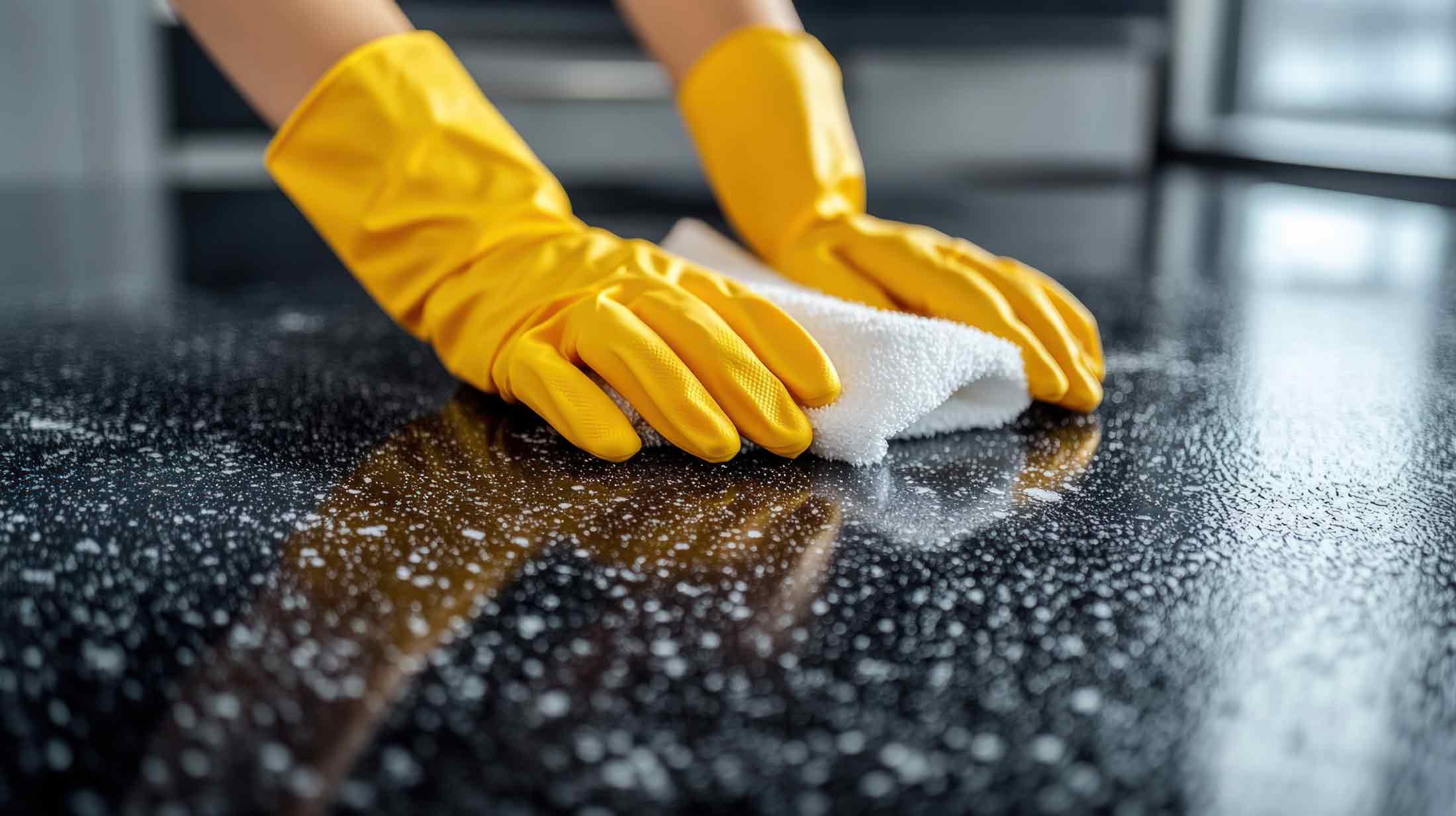
Deep cleaning is one of the most profitable services you can offer – if you do it properly. Here's everything you need to know about delivering exceptional deep cleaning services that command premium rates and generate glowing reviews.
Here's a question: what's the difference between charging £15 per hour for regular maintenance cleaning and £25-£35 per hour for deep cleaning?
Knowledge, technique, and the confidence to deliver comprehensive results.
Deep cleaning represents one of the best opportunities in the professional cleaning business. Clients willingly pay premium rates (typically 50-100% more than regular cleaning). One deep clean of a 3-bedroom house might earn you £250-£400 for 8-12 hours of work. Do two per week alongside regular clients, and you're adding £2,000-£3,000+ to your monthly income.
But here's the catch: you can't just call regular cleaning "deep cleaning" and charge more. Clients booking deep cleaning have specific expectations. They're often preparing for important events, moving house, or addressing years of neglect. They need genuine, comprehensive results – and they can tell the difference between thorough deep cleaning and rushed surface work.
This comprehensive guide will teach you everything about professional deep cleaning: exactly what it involves room-by-room, how to quote accurately, techniques for maximum efficiency, products that work best, how to market these services, and how to deliver results that justify premium pricing.
Master deep cleaning, and you'll unlock a highly profitable service that sets you apart from competitors stuck doing only regular maintenance work.
Why Deep Cleaning is Such a Brilliant Business Opportunity
Let's start with why this matters for your business financially and strategically.
The Premium Pricing Reality
Regular maintenance cleaning rates:
- £12-£22 per hour depending on region and experience
Deep cleaning rates:
- £20-£35 per hour (or fixed prices based on property size)
That 50-100% premium adds up dramatically:
Example calculation:
- Cleaner A: 30 hours weekly of regular cleaning at £16/hour = £480/week = £24,960 annually
- Cleaner B: 20 hours regular at £16/hour + 10 hours deep cleaning at £28/hour = £320 + £280 = £600/week = £31,200 annually
Cleaner B earns £6,240 more annually whilst actually working fewer hours overall, because deep cleaning commands such premium rates.
Constant Demand Throughout the Year
Unlike some seasonal services, deep cleaning has year-round demand:
Spring (March-May): Traditional spring cleaning season – highest demand
Summer (June-August): Moving season, preparation for holidays
Autumn (September-October): Pre-winter cleaning, back-to-school reset
Winter (November-December): Pre-Christmas cleaning, New Year fresh starts
Specific trigger events create predictable demand:
- End of month (rental turnovers)
- Academic year ends (student properties)
- Holiday seasons (hosting preparation)
- January (New Year resolutions)
You can build a business primarily on deep cleaning if you wish, or add it as a high-margin service alongside regular maintenance cleaning.
Lower Competition Than Regular Cleaning
Many cleaners avoid deep cleaning because:
- It's physically demanding
- Requires more knowledge and skill
- Clients have higher expectations
- Quoting accurately is trickier
Their avoidance is your opportunity. Less competition means:
- Easier to charge premium rates
- Clients have fewer alternatives
- You can establish yourself as the local specialist
- Higher chance of being booked
One-Off Clients Can Become Regular Clients
Deep cleaning is often the entry point to ongoing relationships:
Client books deep clean → Impressed with quality → Books regular maintenance cleaning
This conversion happens frequently because:
- You've demonstrated quality and trustworthiness
- You already know their property and preferences
- Building new relationships takes effort – keeping existing ones is easier
- They appreciate not having to find another cleaner
A £300 deep clean can convert to a £50/week ongoing client worth £2,600 annually. That's excellent customer acquisition.
It's Genuinely Satisfying Work
Beyond money, deep cleaning is rewarding:
Visible transformation: The dramatic before/after results are satisfying
Client appreciation: People are genuinely grateful for thorough work
Skill utilisation: Deep cleaning requires and demonstrates your expertise
Problem-solving: Each property presents unique challenges to overcome
Many cleaners enjoy deep cleaning more than regular maintenance specifically because the results are so visible and clients so appreciative.
Understanding What Deep Cleaning Actually Involves
You can't deliver deep cleaning properly without understanding exactly what's expected.
Deep Cleaning vs. Regular Cleaning: The Critical Differences
Regular maintenance cleaning (what you do weekly/fortnightly):
- Maintains already-clean baseline
- Visible surfaces and high-traffic areas
- Efficiency-focused (complete quickly, move to next property)
- Typically 2-4 hours for average property
- £40-£80 per visit
Deep cleaning:
- Creates clean baseline or resets neglected property
- Every area, including overlooked and hidden spaces
- Thoroughness-focused (take time to do it right)
- Typically 6-16 hours depending on property size
- £150-£500 per property
The mindset shift is crucial. Regular cleaning is about speed and consistency. Deep cleaning is about comprehensive thoroughness.
Your Room-by-Room Deep Cleaning Checklist
This is your professional template. Master this, and you'll deliver consistent deep cleaning that meets client expectations.
Kitchen (Most Time-Intensive Room)
Oven and hob (60-90 minutes): ☐ Remove all racks, trays, shelves – soak in oven cleaner
☐ Apply heavy-duty oven cleaner to interior (avoiding elements)
☐ Leave to work while cleaning other areas (minimum 30 minutes)
☐ Return to scrub oven interior with scraper and scouring pads
☐ Clean glass door thoroughly (inside and out)
☐ Clean oven exterior and surrounding cabinet fronts
☐ Hob: Remove and soak control knobs, clean burner caps, scrub top thoroughly
☐ Clean between hob and counter gap
☐ Reassemble with everything spotless
Appliances (45-60 minutes total): ☐ Fridge/freezer: Empty, remove shelves/drawers, wash them, wipe interior, defrost freezer, clean seals, exterior, behind and underneath
☐ Dishwasher: Remove and clean filter, wipe seals, run empty hot cycle with cleaner, clean exterior
☐ Washing machine: Clean detergent drawer, rubber seal, run hot empty cycle with cleaner or soda crystals, clean filter, exterior
☐ Microwave: Interior scrubbed, turntable washed, exterior cleaned
☐ Other appliances: Kettle descaled, toaster crumbed and cleaned
Cupboards and storage (60-90 minutes): ☐ Empty each cupboard (or work around contents if client hasn't emptied)
☐ Wipe interior shelves thoroughly
☐ Clean cupboard doors inside and out
☐ Organise contents as you replace (if client desires)
☐ Same process for drawers
☐ Top of cupboards: Remove accumulated grease and dust
Surfaces and fixtures (30-45 minutes): ☐ Worktops thoroughly cleaned and descaled
☐ Backsplash and wall tiles degreased
☐ Taps and sink completely descaled, plughole cleared
☐ Extractor fan: Hood cleaned, filters removed and degreased
☐ Light fixtures cleaned
☐ Switches and sockets wiped
☐ Windows cleaned (interior)
☐ Window sills and frames cleaned
Finishing (20-30 minutes): ☐ Walls spot-cleaned or washed down
☐ Door and door frame cleaned
☐ Skirting boards entire perimeter
☐ Radiator (front, back, underneath)
☐ Floor: Pull out appliances, clean behind and underneath, sweep, mop thoroughly including edges and corners
☐ Bin cleaned or replaced
Total kitchen time: 4-6 hours for average kitchen in neglected condition; 2-3 hours if reasonably maintained
Bathroom (45-90 minutes per bathroom)
Fixtures (30-45 minutes): ☐ Toilet: Bowl descaled including under rim, exterior including base and behind, seat both sides, flush handle
☐ Sink: Bowl descaled, taps descaled completely, plughole cleared, pedestal cleaned
☐ Bath: Interior scrubbed and descaled, taps descaled, exterior, surrounding tiles
☐ Shower: Tray/cubicle scrubbed, screen descaled, shower head removed and soaked in descaler, tiles and grout detailed, taps descaled
☐ Bidet (if present): As per toilet
Surfaces and storage (15-30 minutes): ☐ Inside all bathroom cabinets
☐ Medicine cabinet
☐ Shelving units
☐ Mirror properly cleaned (not just wiped)
☐ Extractor fan grille removed and washed
☐ Light fixtures cleaned
☐ Switches and sockets
Finishing (15-20 minutes): ☐ Tiles: All wall tiles, grout as white as possible
☐ Walls washed down
☐ Door and frame cleaned both sides
☐ Radiator detailed
☐ Behind radiator
☐ Skirting boards
☐ Floor edges and corners scrubbed
☐ Drain covers removed and cleaned
Total bathroom time: 45-90 minutes depending on size and condition
Bedrooms and Living Areas (Per Room)
Detailed work (45-75 minutes per room): ☐ Skirting boards: Entire perimeter including corners
☐ Doors: Both sides, frames, tops, handles
☐ Light fixtures: Shades removed and washed, bulbs wiped, fixtures dusted
☐ Switches and sockets: All cleaned
☐ Picture rails and coving
☐ Radiators: Front, back, between fins, underneath
☐ Window sills, frames, tracks detailed
☐ Windows: Interior thoroughly cleaned
☐ Curtains/blinds: Vacuumed or washed
Furniture (30-60 minutes per room depending on contents): ☐ Furniture moved to clean behind and underneath
☐ Wardrobes: Inside (shelves, rails, inside doors, exterior)
☐ Bookshelves: Items moved, shelves dusted properly
☐ Sofa: Vacuumed thoroughly, cushions removed, underneath cleaned
☐ Under beds
☐ Inside bedside tables
Floors (20-30 minutes per room): ☐ Carpets: Thorough vacuuming including edges, under furniture
☐ Hard floors: Swept/vacuumed then mopped, corners and edges scrubbed
☐ Behind doors
☐ Under radiators
Total per bedroom/living room: 90-165 minutes depending on size, furnishings, and condition
Hallways and Stairs
Detailed cleaning (45-90 minutes total): ☐ Stair bannisters: Detailed cleaning of all spindles and rails
☐ Stairs: Each step individually cleaned, edges detailed
☐ Walls: Spot-cleaned or washed (hallways get marked easily)
☐ Doors and frames: All cleaned
☐ Light fixtures and switches
☐ Coat cupboards: Inside cleaned
☐ Skirting boards entire length
☐ Floor thoroughly cleaned
What's NOT Included (Clarify This Upfront)
Standard deep cleaning doesn't include:
- Professional carpet steam cleaning (hoovering yes; steam cleaning extra)
- Exterior window cleaning
- Garden, garage, shed, or outdoor areas
- Loft/attic spaces
- Heavy decluttering or organising
- Removal of items or rubbish
- Repairs, maintenance, or fixing broken things
- Wall painting or heavy stain removal
Be explicit about scope to prevent client disappointment and disputes.
Quoting Deep Cleaning Accurately
This is where many cleaners struggle. Quote too low, you lose money. Quote too high, you don't get the job.
The Formula for Accurate Quotes
Step 1: Assess property size
- Count bedrooms
- Count bathrooms
- Note property type (flat vs. house)
- Consider additional rooms (study, utility room, conservatory)
Step 2: Assess current condition
Good condition (regularly maintained, just needs deep clean):
- Use base rates
Average condition (regular cleaning but areas neglected, moderate buildup):
- Add 20-30% to base rate
Poor condition (minimal cleaning for months/years, significant buildup):
- Add 40-60% to base rate
Very poor condition (years of neglect, heavy grime):
- Add 80-100% to base rate or more
Step 3: Calculate time required
Base time estimates (assuming good-average condition):
- Studio/1-bed: 4-6 hours
- 2-bed flat: 6-8 hours
- 2-bed house: 7-9 hours
- 3-bed house: 9-12 hours
- 4-bed house: 12-16 hours
- 5-bed house: 16-24 hours
Adjust for:
- Each additional bathroom: +45-90 minutes
- Poor condition: +30-50% time
- Large rooms or extra rooms: +time accordingly
- Helpful vs. unhelpful property layout: ±15%
Step 4: Calculate your price
Option A: Hourly rate method
- Calculate time × your deep cleaning hourly rate (£20-£35 depending on region)
- Example: 10 hours × £25 = £250
Option B: Fixed price method (recommended)
- Research typical local rates for property size
- Position yourself competitively
- Quote fixed price based on your time estimate but present as package
- Example: 3-bed house, good condition: £250-£350 depending on region
Fixed pricing is better because:
- Clients prefer knowing exact cost
- You're motivated to work efficiently
- No disputes about time taken
- Professional cleaners use fixed pricing for deep cleans
Regional Pricing Guidelines (2025)
Your base deep cleaning rates should be around:
London and South East:
- Studio/1-bed: £150-£250
- 2-bed: £200-£320
- 3-bed: £250-£400
- 4-bed: £320-£550
- 5-bed: £400-£700+
Major cities:
- Studio/1-bed: £120-£200
- 2-bed: £160-£270
- 3-bed: £200-£350
- 4-bed: £260-£480
- 5-bed: £350-£600+
Other regions:
- Studio/1-bed: £100-£180
- 2-bed: £140-£240
- 3-bed: £180-£310
- 4-bed: £240-£420
- 5-bed: £320-£550+
Position yourself within these ranges based on:
- Your experience with deep cleaning
- Client feedback and reviews
- Local competition
- Your efficiency (faster = can charge less while earning more per hour)
The Site Visit Question
For properties 3-bed and larger, or if condition is questionable, consider visiting to quote.
Advantages:
- Accurate assessment prevents underquoting
- Shows professionalism
- Builds client trust
- You can explain what you'll do
- Spot potential problems
Disadvantages:
- Takes your time
- Not always necessary
Compromise: Quote with caveat: "Based on your description, £280 for your 3-bed house. If condition is significantly worse than described, I'll notify you immediately and we can discuss adjustment before starting work."
Photos help: Ask clients to send photos of kitchen, bathrooms, and any problem areas.
The Products and Equipment You Need
Deep cleaning requires better products and equipment than regular maintenance cleaning.
Essential Deep Cleaning Products
Heavy-duty oven cleaner:
- Mr Muscle Oven Cleaner (conventional, most effective)
- Bio-D Oven Cleaner (eco-friendly, requires more effort)
- Oven Pride (excellent for overnight soaking)
Limescale removers:
- Viakal (effective for moderate limescale)
- Cillit Bang Limescale (powerful)
- HG Professional Limescale Remover (very effective)
- Ecover Limescale Remover (eco-option)
Degreaser:
- Heavy-duty kitchen degreaser
- Sugar soap for walls
- Washing-up liquid (surprisingly effective for general degreasing)
All-purpose cleaner:
- Your regular choice, but have plenty on hand
Bathroom cleaner:
- With good limescale-fighting properties
- Consider separate toilet cleaner
Floor cleaner:
- Appropriate for surfaces you're cleaning
Miscellaneous:
- Bicarbonate of soda (excellent gentle abrasive)
- White vinegar (descaling, glass)
- Washing soda (removing heavy grease)
- Descaling tablets/sachets for appliances
Essential Equipment
Cleaning tools:
- Microfibre cloths (at least 20-30 for deep cleaning)
- Scouring pads (various grades)
- Scraper blades (for burnt-on food, paint)
- Old toothbrushes (detail work on grout, taps, corners)
- Grout brush
- Scrub brushes (various sizes)
- Pumice stone (toilet descaling)
Vacuum and floor cleaning:
- Professional-quality vacuum (essential for thorough carpet cleaning)
- Mop and bucket
- Floor scrubber for stubborn marks
Nice-to-haves:
- Steam cleaner (excellent for grout, taps, tough grime)
- Extendable duster (high surfaces)
- Kneeling pad (bathroom and low work)
- Step ladder (reaching high cupboards, tops of doors)
Protection:
- Heavy-duty gloves (for harsh products and dirty work)
- Knee pads (hours of bathroom work)
- Protective glasses (for overhead work and chemical splash protection)
Estimated Product Cost Per Deep Clean
For average 3-bed house:
- Oven cleaner: £2-£3
- Limescale remover: £1-£2
- General cleaning products: £3-£5
- Total: £6-£10 in products
Your quote should factor this in, though products are relatively low cost compared to labour.
Technique and Efficiency: Working Smart, Not Just Hard
Deep cleaning is physically demanding. Work efficiently to maintain quality whilst protecting yourself.
The System That Works
1. Start with tasks that need soaking time (first 15 minutes):
- Apply oven cleaner to oven interior
- Put oven racks/trays soaking in bathtub with oven cleaner
- Apply limescale remover to bathroom fixtures (leave to work)
- Start washing machine cleaning cycle
- Put shower head soaking in descaler
While these work, you move to other tasks.
2. Work top-to-bottom, back-to-front in each room:
- High surfaces first (dust falls down)
- Then middle surfaces
- Floors last
- Start at back of room, work toward door
3. Complete one room fully before moving on:
- Prevents overlooking areas
- Gives satisfaction of finishing sections
- Easier to track progress
4. Return to soaking items:
- Oven should now wipe clean easier
- Racks should need minimal scrubbing
- Bathroom fixtures yield to scrubbing after soaking
- Shower head descaled
5. Kitchen last or first (opinions vary):
- Last: Save most intensive for when you're warmed up, know exact time remaining
- First: Get hardest room done while fresh, everything else feels easier
Try both, see what suits you.
Time Management for Efficiency
Set milestone targets:
- Hour 1: Kitchen appliances started, bathroom limescale soaking
- Hour 2: First bedroom complete
- Hour 3: Second bedroom complete
- Hour 4: Bathroom detailed work
- Etc.
This helps you pace yourself and stay on schedule.
Take short breaks:
- 5-10 minutes every 90 minutes
- Prevents burnout
- Maintains quality through the job
Bring snacks and drinks:
- You're working 8-12 hours
- Maintaining energy matters
- Quick protein snack at halfway point helps
Physical Technique to Prevent Injury
Deep cleaning is hard on your body. Protect yourself:
Knees:
- Use knee pads or kneeling pad
- Don't kneel directly on hard floors for extended periods
- Alternate positions frequently
Back:
- Bend at knees, not back, for low work
- Use long-handled tools where possible
- Take stretching breaks
Hands:
- Wear gloves always (harsh products and hot water damage skin)
- Rotate tasks to vary hand movements
- If hands hurt, you're gripping too hard or working too long without breaks
Overall:
- Pace yourself (this is a marathon, not sprint)
- Build up stamina gradually (first few deep cleans will exhaust you; this improves)
- Listen to your body
Marketing Your Deep Cleaning Services
You've mastered the work. Now you need clients.
Optimising Your Trader Street Profile
Make deep cleaning prominent:
Profile headline: "Professional Deep Cleaning Specialist | Thorough, Detailed, Transformative Results"
Service description must be comprehensive:
"I specialise in professional deep cleaning that transforms properties from surface-clean to genuinely spotless. Perfect for spring cleaning, moving in/out, post-renovation, or when your home needs a proper reset.
My deep cleaning includes:
Kitchen:
- Complete oven interior and exterior
- Inside all appliances (fridge, dishwasher, washing machine)
- Inside all cupboards and drawers
- Behind and under appliances
- Extractor fan and filters
- Tiles, grouting, and surfaces thoroughly degreased
- Every detail addressed
Bathrooms:
- All fixtures completely descaled
- Grout detailed cleaning
- Inside cabinets and storage
- Mould removal
- Every surface spotless
Throughout:
- Skirting boards (entire property)
- Inside windows
- Light fixtures and switches
- Behind and under furniture
- Door frames and doors
- Radiators detailed
- Carpets thoroughly vacuumed
- Hard floors scrubbed
What makes my deep cleaning different: