
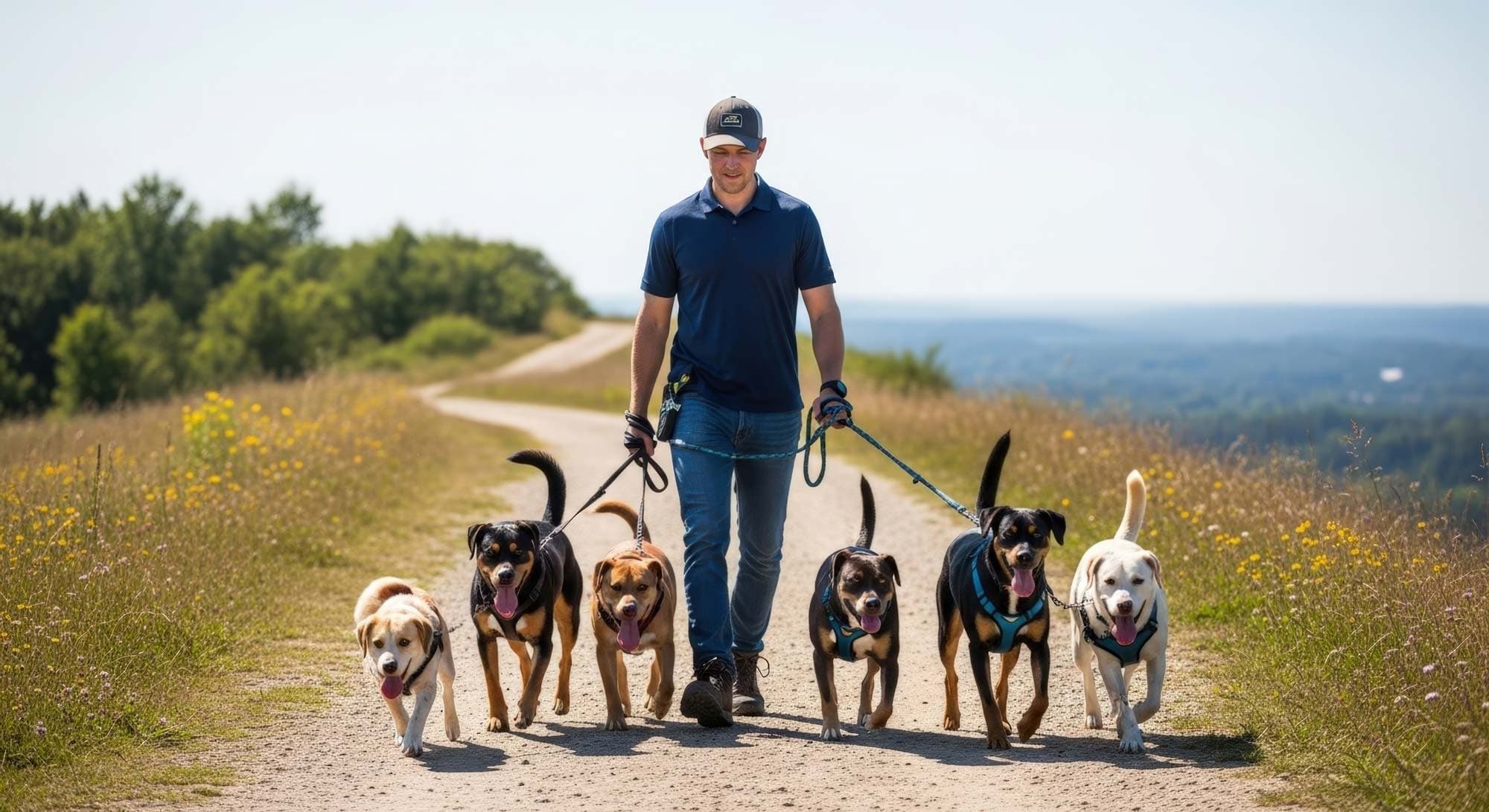
Landing your first pet sitting client feels amazing. But here's the reality: constantly chasing new clients is exhausting and unprofitable. The real success in pet sitting comes from transforming those one-time holiday bookings into regular, recurring income. This comprehensive guide reveals seven proven strategies to turn occasional clients into loyal, long-term customers who book you week after week, month after month.
Why Regular Clients Are Your Business Gold
Before diving into the strategies, understand what repeat clients mean for your business:
Financial stability:
- Predictable monthly income (plan your finances confidently)
- Less time spent on marketing and client acquisition
- Higher lifetime value (one client = hundreds or thousands in revenue)
Operational efficiency:
- You already know the pet, home, and routine
- No meet-and-greets or initial setup time
- Streamlined communication and less admin
Professional growth:
- Strong reviews and testimonials from loyal clients
- Word-of-mouth referrals (your best marketing)
- Portfolio of satisfied customers builds credibility
Real numbers: Acquiring a new client costs 5-10x more than retaining an existing one. A regular weekly dog-walking client worth £50/week generates £2,600 annually. That's your target: converting one-offs into repeat customers.
Let's explore exactly how to do it.
Strategy 1: Deliver an Exceptional First Experience
Your first booking with a client sets the tone for everything that follows. This is your opportunity to exceed expectations so dramatically that they'd never consider using anyone else.
Before the Booking: Set Professional Expectations
The meet-and-greet:
- Arrive 5 minutes early (never late)
- Dress presentably but practically
- Bring a small notebook to take detailed notes
- Ask thoughtful questions about pet's personality, quirks, preferences
- Observe how the pet reacts to you (owners notice this)
Document everything:
- Feeding schedule and amounts (write it down)
- Walk routes and duration preferences
- Medication timing and method
- Emergency contacts and vet details
- Home access instructions (alarm codes, lock types)
- Pet's favorite toys, treats, hiding spots
Create a written care plan: Send the owner a summary document confirming everything discussed. This shows professionalism and prevents misunderstandings.
Example email: "Hi Sarah, lovely meeting you and Bella today! I've attached a care plan summary covering Bella's feeding times (7am/6pm, 1.5 scoops), morning walk route (30 mins through Victoria Park), evening medication (1 tablet hidden in cheese), and emergency contacts. Please review and let me know if I've missed anything. Looking forward to caring for Bella next week!"
During the Booking: Go Beyond the Basics
Communication is everything:
- Send a photo/update after EVERY visit without fail
- Include specifics: "Bella had a great 30-minute walk! She played fetch, said hello to three other dogs, and did her business twice. Now relaxing with a chew toy. All good here! 🐾"
- If anything unusual happens (even minor), tell them immediately
- Respond to owner messages within 1-2 hours maximum
Do the little extras:
- Bring in post and packages
- Put out/bring in bins on collection day
- Water plants (even if not asked)
- Leave the home tidier than you found it
- Rotate curtains and lights for security
- Leave a handwritten thank-you note with photos
Anticipate needs before being asked:
- Notice the food bag is nearly empty? Text: "FYI, Bella's food is running low – you might want to grab some before your next trip"
- Medication running out? Give a heads up
- Weather turning bad? "I've toweled Bella off after her muddy walk and cleaned her paws before bringing her inside"
After the Booking: Seal the Deal
The follow-up message: Within 24 hours of their return, send a thoughtful message:
"Welcome home! Bella was an absolute pleasure to care for. She settled into the routine brilliantly and we had some lovely walks together. I've left the keys on the kitchen counter and turned the heating back to normal.
I'd love to care for Bella again – please keep me in mind for future trips or if you ever need regular dog walking. Also, if you have time, I'd really appreciate a review on my Trader Street profile – it helps me so much as I'm building my business. Thanks again!"
The subtle ask: Notice how this mentions future bookings AND regular services? Plant the seed immediately.
Request a review: Timing matters. Ask within 48 hours while the positive experience is fresh. Make it easy: "Here's my Trader Street profile link where you can leave a review: [link]"
Strategy 2: Identify Opportunities for Recurring Services
One-time holiday sitting is fine, but regular services create consistent income. Your job is to identify which clients have recurring needs and position yourself as the solution.
Spot the Signals
High-value prospects have:
- Demanding jobs with long hours (need daily dog walks)
- Young puppies (need multiple daily visits)
- Senior pets requiring medication (need regular check-ins)
- Multiple pets (ongoing care needs)
- Active social lives (frequent weekend trips)
- Business travel commitments (regular overnight care)
During your initial booking, ask strategic questions:
- "Do you travel often for work?"
- "Would Bella benefit from midday walks while you're at work?"
- "How's Bella's energy level? Does she need more exercise than she's currently getting?"
- "Have you considered doggy daycare or regular walking services?"
Present Solutions, Not Sales Pitches
Wrong approach: "I offer weekly dog walking packages if you're interested."
Right approach: "I noticed Bella has tons of energy! Many of my working professionals book me for lunchtime walks Monday-Friday – it keeps their dogs happy and tired, plus they're not stressed about rushing home. Would something like that be helpful for you?"
You're solving a problem they have, not selling a service they don't want.
Package Your Regular Services Attractively
Weekly dog walking package: "Monday-Friday lunchtime walks (30 mins each) Regular rate: 5 × £12 = £60/week Package rate: £55/week (save £5) Benefit: Tired, happy dog + consistent routine"
Bi-weekly home visits for cats: "Check-in visits while you're at work (2x per week) Perfect for monitoring senior cats or those needing company £25/week (vs £28 for individual visits)"
Monthly overnight pet sitting: "Reserved slots for your regular travel schedule £40/night (vs £45 per booking) Your preferred dates guaranteed"
The discount doesn't have to be huge – 10-15% off is enough to incentivize commitment while protecting your income.
Strategy 3: Create a Loyalty Program That Actually Works
Loyalty programs aren't just for coffee shops. They're powerful retention tools when designed correctly.
Simple Stamp Card System
"10th Visit Free" Card:
- Every 9 paid dog walks = 10th walk free
- Equates to 10% discount over time
- Creates commitment and anticipation
- Physical card (or digital tracker) shows progress
Psychology: Clients hate "losing" their progress toward a free service, so they book with you to maintain momentum.
Tiered Loyalty Rewards
Bronze (5-10 bookings):
- 5% off all future services
- Priority booking for holidays
Silver (11-25 bookings):
- 10% off all future services
- Free emergency visit once per year
- Birthday treat for their pet
Gold (26+ bookings):
- 15% off all future services
- Free emergency visits
- Guaranteed availability
- Quarterly professional pet photos
Why this works: Clients see tangible benefits for loyalty and are motivated to reach the next tier.
Referral Rewards
"Give £10, Get £10" Program:
- Existing client refers friend
- Friend books first service
- Both receive £10 off their next booking
Why it works: Clients actively promote you because there's something in it for them AND their friends.
Track referrals: Ask new clients "How did you hear about me?" and credit the referrer immediately.
Strategy 4: Master Communication That Builds Trust
Pet owners trust you with their family members. Communication isn't just nice-to-have – it's the foundation of repeat business.
The Update Formula
Every visit should include:
- What you did: "30-minute walk through the park"
- How the pet behaved: "Max was full of energy, played fetch, very happy"
- Any notable details: "Met a friendly Golden Retriever, Max loved playing"
- Current status: "Now relaxing with his favorite toy"
- Visual proof: Attached photo or short video
Example message: "Max walk complete! ✅ Full 30 minutes around the neighborhood. He was super energetic today – lots of sniffing and saying hello to everyone we met! Did his business twice (all good). Now chilling on his bed with a dental stick. See attached photo – look at that happy face! 🐕"
Be Proactive, Not Reactive
Don't wait for owners to ask questions. Tell them first:
- "Heads up: Max seemed a bit less energetic today. Not concerning, but I'm keeping an eye on it"
- "FYI: Noticed Max's water bowl had a crack. Might want to replace it when you're back"
- "Just so you know: Your neighbor mentioned they're having building work done next week, so it might be a bit noisy"
What this demonstrates:
- You're attentive and observant
- You care about their pet's wellbeing
- You can be trusted to handle unexpected situations
Response Time Matters
Your response time standard:
- Urgent messages (health concerns): Within 30 minutes
- General questions: Within 2 hours
- Non-urgent chats: Within 4 hours
Set expectations: "I typically respond within 2-4 hours during the day. For emergencies, call my mobile directly and I'll respond immediately."
Why it matters: Slow responses create anxiety. Quick responses create trust.
The Check-In Call (Premium Touch)
For longer bookings (5+ days), offer a quick 5-minute video call:
"I know you miss Max! Would you like a quick video call tomorrow evening so you can see him? I usually do this around 6pm if that works for you?"
Cost to you: 5 minutes Value to client: Priceless Result: Client books you for every future trip
Strategy 5: Make Rebooking Effortless
The harder you make it to rebook, the more likely clients will try someone else "just to see." Remove all friction from the rebooking process.
Plant Seeds During Active Bookings
Towards the end of your current booking: "I've really enjoyed caring for Max this week! I wanted to mention I have availability over the August bank holiday if you're planning any trips. My calendar fills up quickly for holidays, so let me know if you'd like me to reserve those dates for you."
Why it works: You're being helpful (not pushy) and creating urgency.
Send a Rebooking Email Post-Service
Within one week of completing a booking: